
Watch diver feeding
- Daily session
- 14:30
- Additional Saturday, Sunday and public-holiday session
- 10:30
Bang Saen, Chonburi · Aquarium and museum of the Burapha University Institute of Marine Science
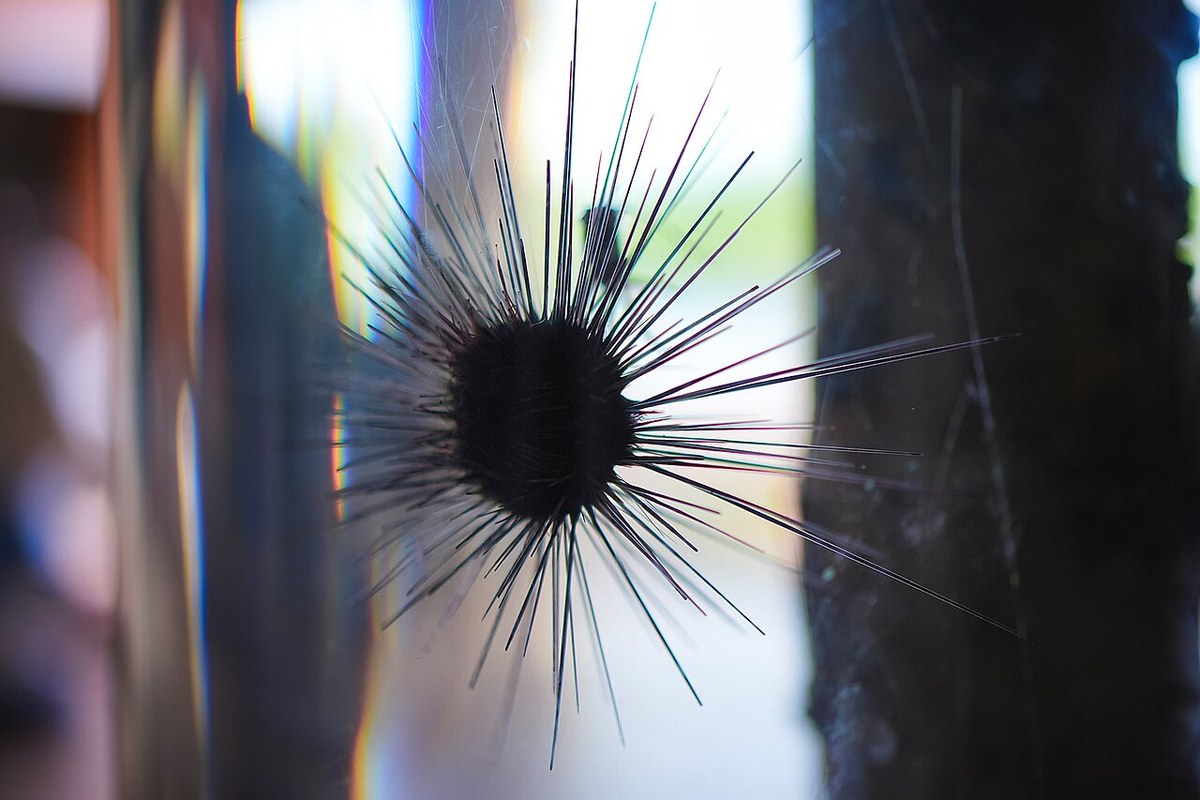
The Bangsaen Aquarium is a seawater aquarium and marine museum at Burapha University’s Institute of Marine Science. Its exhibits are arranged by habitat, from tide-pool hermit crabs, sea urchins and anemones to coral-reef fish and animals in the large tank.
This is a university research and education facility where you can read common and scientific names and learn about marine life. Institute programme materials have also listed diver feeding sessions and touch-pool times.
Institute of Marine Science, Burapha University, Saen Suk, Mueang Chon Buri, Chon Buri 20131
The Bangsaen seawater aquarium presents marine life from Thai waters by habitat. Its intertidal exhibit recreates rock pools left between tides and features small fish, hermit crabs, sea urchins, anemones and starfish.
Rather than looking only for large swimming fish, take time to spot the small animals near the rocks or seabed. Tanks also show common and scientific names, making it a good place to read labels with children curious about creatures they have seen at the shore.
The coral-reef area features brightly coloured fish such as clownfish and butterflyfish. Coral is also the habitat where these animals find food and shelter. Enjoy the fish’s colours and read how they live around the reef.
An exhibit about fish with distinctive shapes or toxins includes lionfish, moray eels, pufferfish and rays. Look at their forms and read the descriptions. Do not touch an animal just because it looks small or appealing; only touch animals in a designated pool where it is permitted.
Exhibits also include food fish such as groupers and sea bass, as well as ornamental fish. Look for seahorses and other fish with distinctive shapes and colours. The displays let you compare species used as food with those kept for ornament.
The Big Tank has larger fish than the small intertidal tanks. During a diver feeding session, watch the animals and diver move together in the water. The feeding viewing session and a separate activity feeding fish in the Big Tank are listed as different programmes. Availability may vary according to the current programme information.
Burapha University’s Institute of Marine Science traces its history to a marine animal museum and seawater aquaculture facility in 1969, followed by the opening of a centre in 1984 and the institute in 1985. This history of education and research explains why a living aquarium and marine museum sit together.
At the aquarium, see living animals; at the marine museum, explore information and displays about sea life. Closed-loop tanks and exhibits inspired by natural habitats are also features of this education and research facility.
It is the aquarium and marine museum of Burapha University’s Institute of Marine Science. Alongside living marine animals, you can read common and scientific names and explanatory material in this research and education facility.
The recreated rock pools feature small fish, hermit crabs, sea urchins, anemones and starfish. It is a different habitat from the clownfish and butterflyfish in the coral-reef tanks or the Big Tank.
No. The Big Tank has large fish and may have diver feeding sessions; the touch pool is a separate hands-on experience. The official programme list also shows a separate Big Tank fish-feeding activity.
Sources checked:
Sharing image credit: PhoenixShutter · Wikimedia Commons · CC BY 4.0