Wat Umongวัดอุโมงค์ สวนพุทธธรรม

Chiang Mai · Forest temple in Chiang Mai with tunnels and chedi

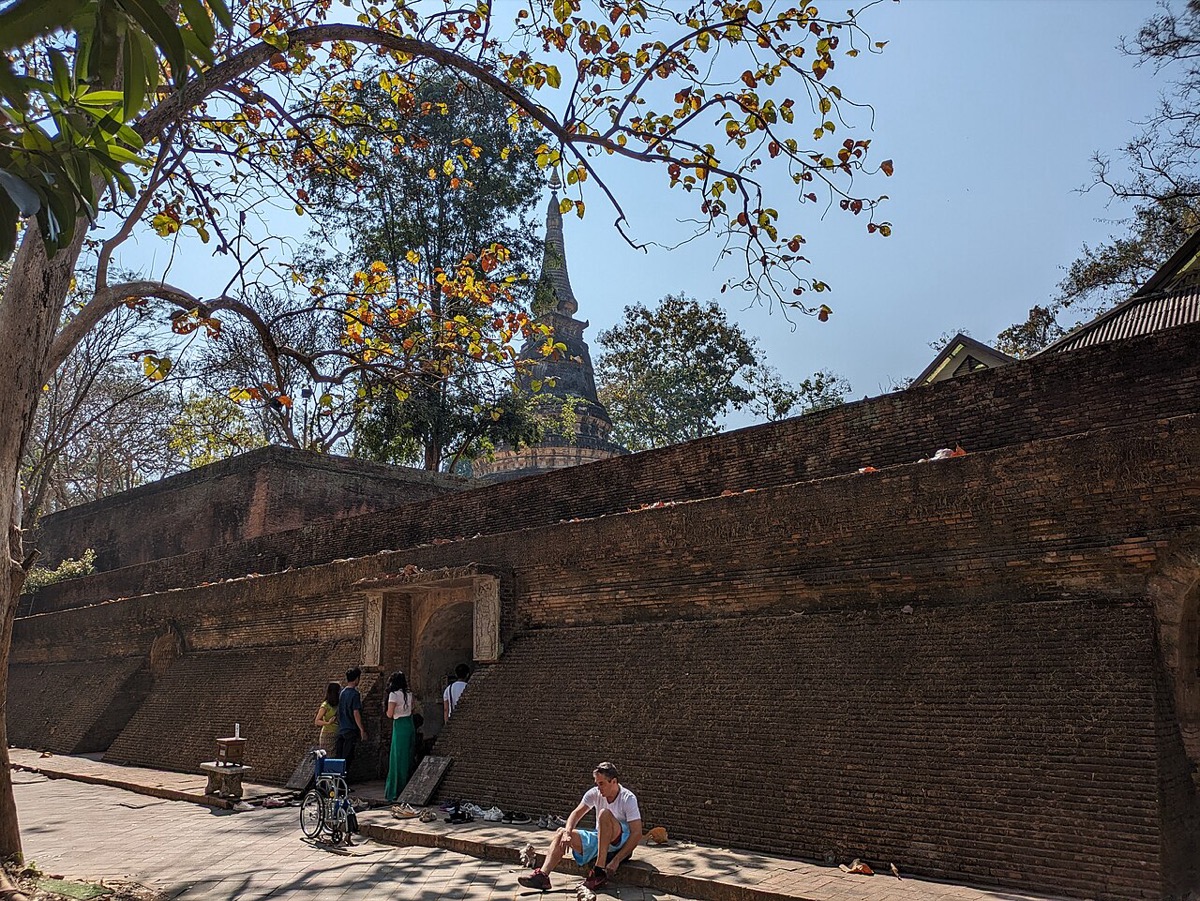
At Wat Umong in Chiang Mai, old tunnels run beneath a chedi surrounded by trees. “Umong” means “tunnel”. The passages, built for monks’ meditation practice, and the wooded grounds remain distinctive features of the temple.

This temple in the Suthep area is a different place from another temple of the same name in the Old City. Among the grounds’ trees are signs with Buddhist teachings by Phanya Nandaphikku, who served as abbot from 1949 to 1966. General sightseeing in the tunnels and grounds is separate from taking part in a meditation programme.

Location and getting there

The pin marks the place, not necessarily its entrance, ticket office or vehicle drop-off point.

Address

135 Moo 10 Suthep Subdistrict, Chiang Mai 50200

Essential visitor information

Opening information
05:00–20:00
Admission information
20 baht

What can you see?

Tunnels with four entrances and a place to meditate

The tunnels are said to have been built so monks could meditate. The Tourism Authority describes a 14th-century king ordering a tunnel with four entrances. Enter one of the passages open to visitors and you will find a brick interior that feels different from the woods outside.

After walking through an open tunnel, look up towards the chedi above it. Seeing the brick passage and the tower rising above the trees together helps show how the temple combines a route for practice with a place of worship. Follow signs marking areas reserved for practitioners.

The forest’s history as a place for Sri Lankan monks

A story says that around the time King Mangrai, the first Lanna king, founded Chiang Mai, he gave a bamboo grove to Sri Lankan monks so they could practise. The temple’s architecture is also described as reflecting Sri Lankan styles.

The forest was set aside so monks could practise away from the city. After exploring the chedi and tunnels, take a slow walk among the trees. The old architecture and wooded setting create a different atmosphere from the ornate temples in the Old City, and offer a place to pause.

Buddhist teachings among the trees

Signs throughout the grounds carry Buddhist teachings by Phanya Nandaphikku, who served as abbot from 1949 to 1966. After seeing the chedi and tunnels, look for the signs among the trees. You can take your time moving between the buildings and words scattered through the woods.

If you want to join a meditation programme, ask separately about its schedule and the language used. While exploring the temple, keep your voice low in areas where practitioners are staying.

Before you visit

Suggested clothing for a temple visit

For all visitors, we recommend wearing clothing that covers the shoulders and knees. A sleeved top with long trousers or a skirt that covers the knees is a good choice. Please dress modestly rather than wearing a sleeveless top or short bottoms.

Frequently asked questions

Why were the tunnels at Wat Umong built?

The Tourism Authority says a 14th-century king had a tunnel with four entrances built for monks’ meditation practice. You can walk through the passages open to visitors, then explore the chedi above them and the wooded grounds.

Are tunnel visits and meditation programmes the same activity?

No. General sightseeing includes the open tunnels and wooded grounds. Meditation programmes have separate schedules and languages, so a regular visit should not be treated as an always-available meditation activity.

Sources checked:

Official sources · 2

Sharing image credit: Vano111ru / Wikimedia Commons · CC BY-SA 4.0