
January
- Sweet TamarindMain harvest listed as late December–February
- Thai Mandarin OrangeMain season October–February
- Mayongchid (Marian Plum)Nakhon Nayok harvest listed as January–March
Look for fragrant mango in the spring, longan in the summer, and pomelo and mandarin oranges at the end of the year. Even familiar fruit can differ in variety and in how it is eaten in Thailand. Pick the month you travel, then read about the flavour and how to peel it.
This gathers the main seasons and the harvest periods from official sources. The same fruit can ripen at different times depending on where it is grown, so each fruit page also explains the regional timing separately.
Fruits sold all year, such as watermelon, papaya, young coconut and banana, are in the full list below. The calendar shows the main season or the harvest period given in official sources, and sweet tamarind in December is listed from late December. Actual availability can vary with the variety, the growing area and the weather.
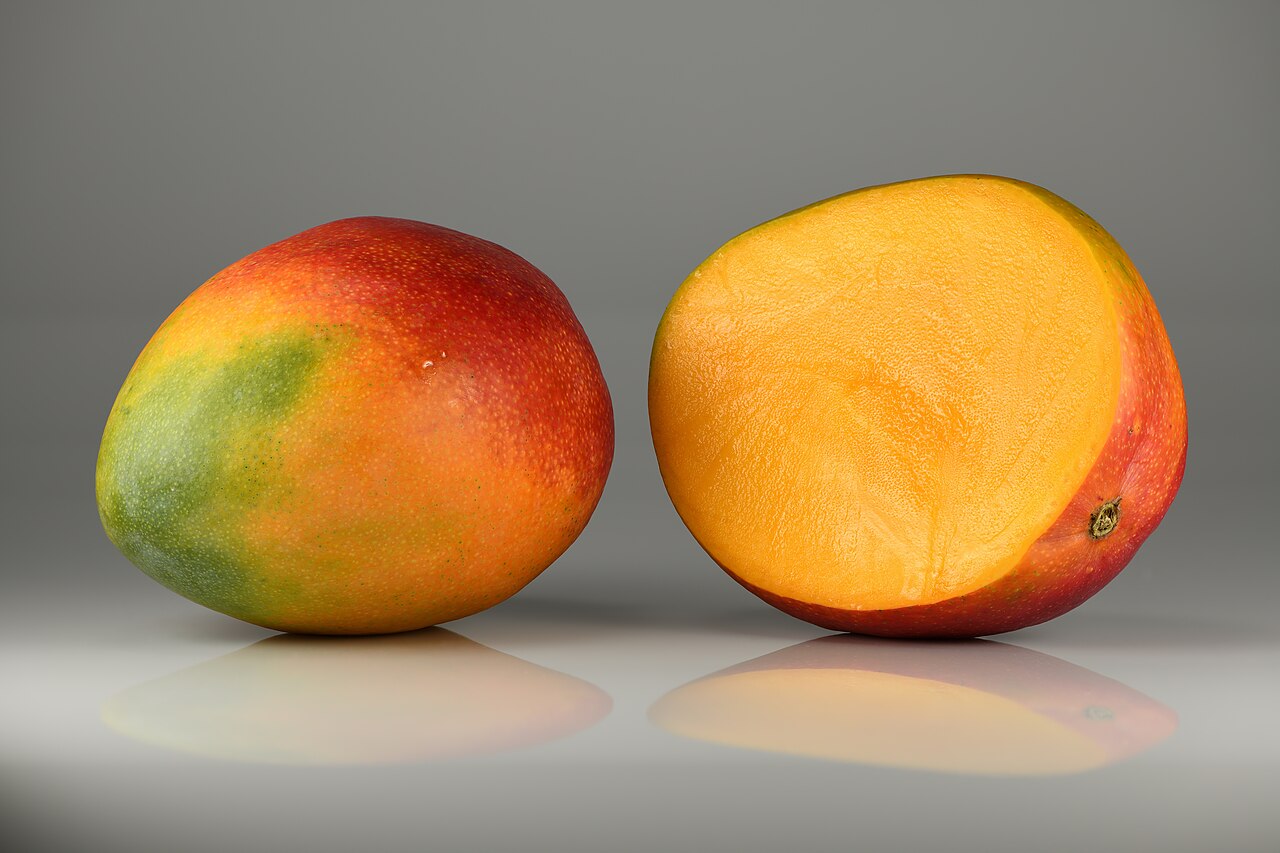
Ripe mango is soft and sweet. Some varieties of green mango are eaten for a texture different from ripe mango, so you do not need to assume that every green one is unripe.
Mango: season, flavour and how to eat it →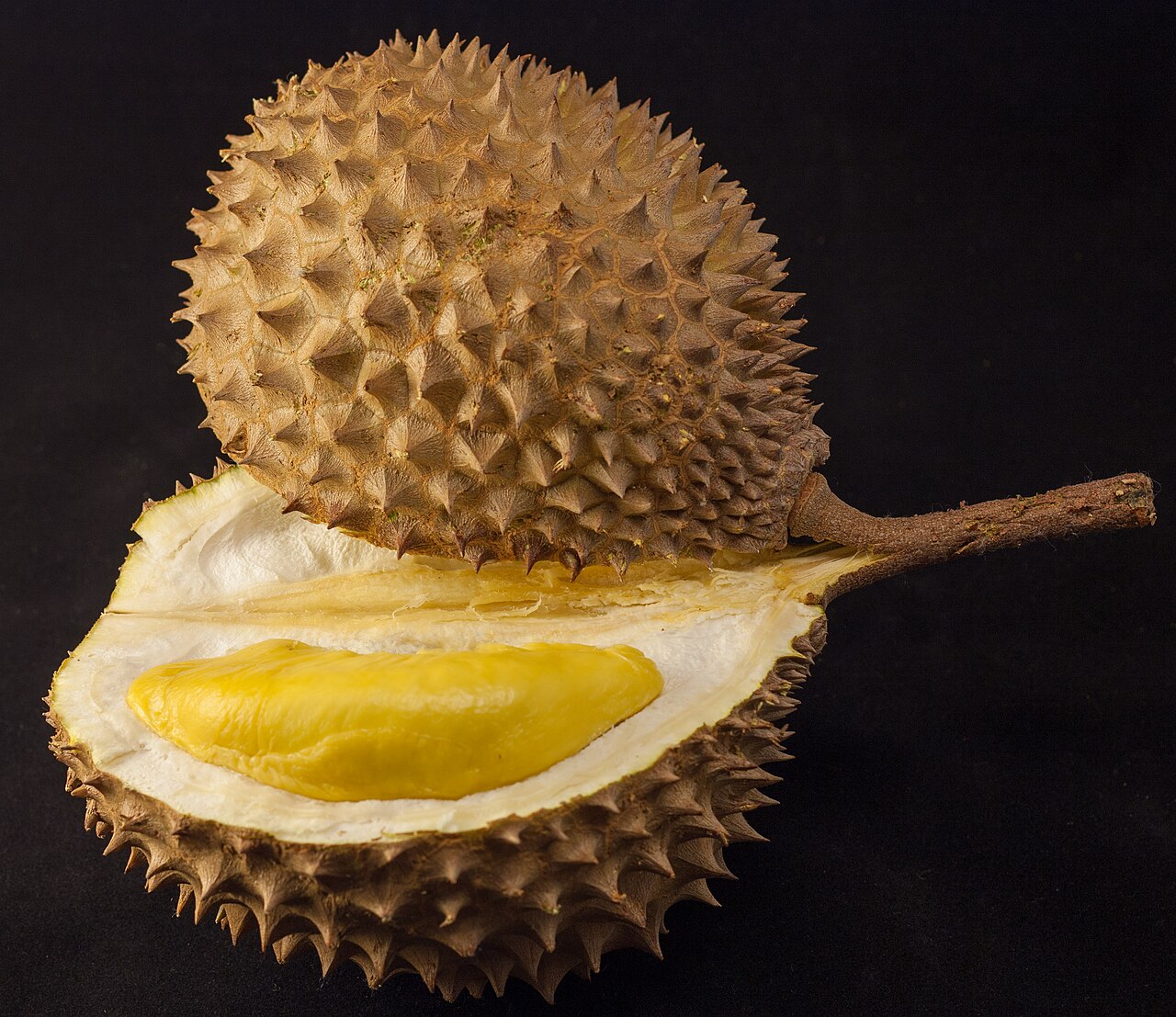
It is sweet and rich, with creamy flesh. The firmness and aroma of the flesh vary with the variety, such as monthong or chanee, and how ripe it is.
Durian: season, flavour and how to eat it →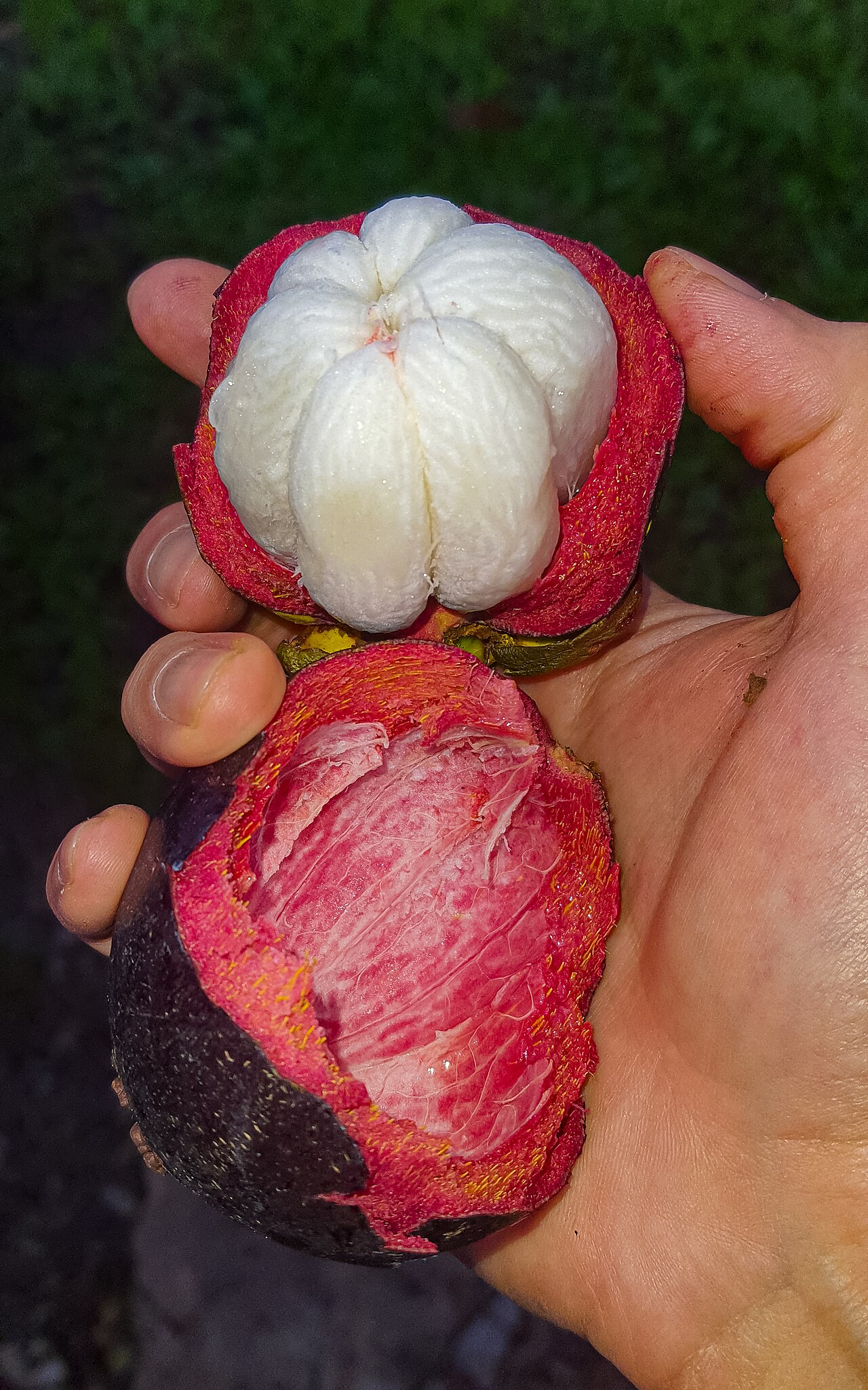
The white flesh is soft, sweet and tangy. The larger segments may have a stone, so eat slowly.
Mangosteen: season, flavour and how to eat it →The white flesh is sweet and juicy. Some varieties, such as Thailand’s rong rian, differ in texture and in how easily the flesh comes away from the stone.
Rambutan: season, flavour and how to eat it →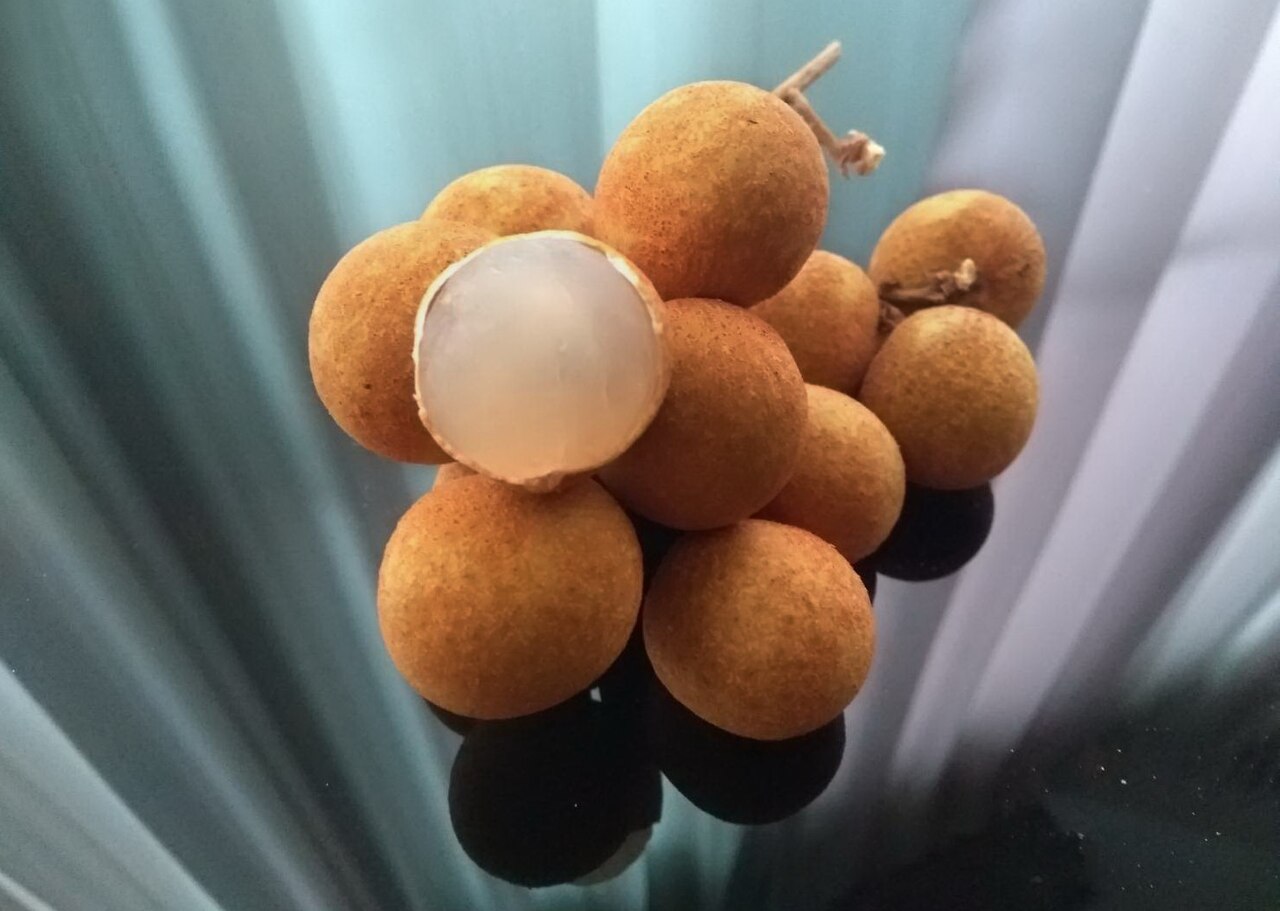
The flesh is sweet, and the aroma varies with the variety. There is a black stone inside the white flesh, so you take it out as you eat.
Longan: season, flavour and how to eat it →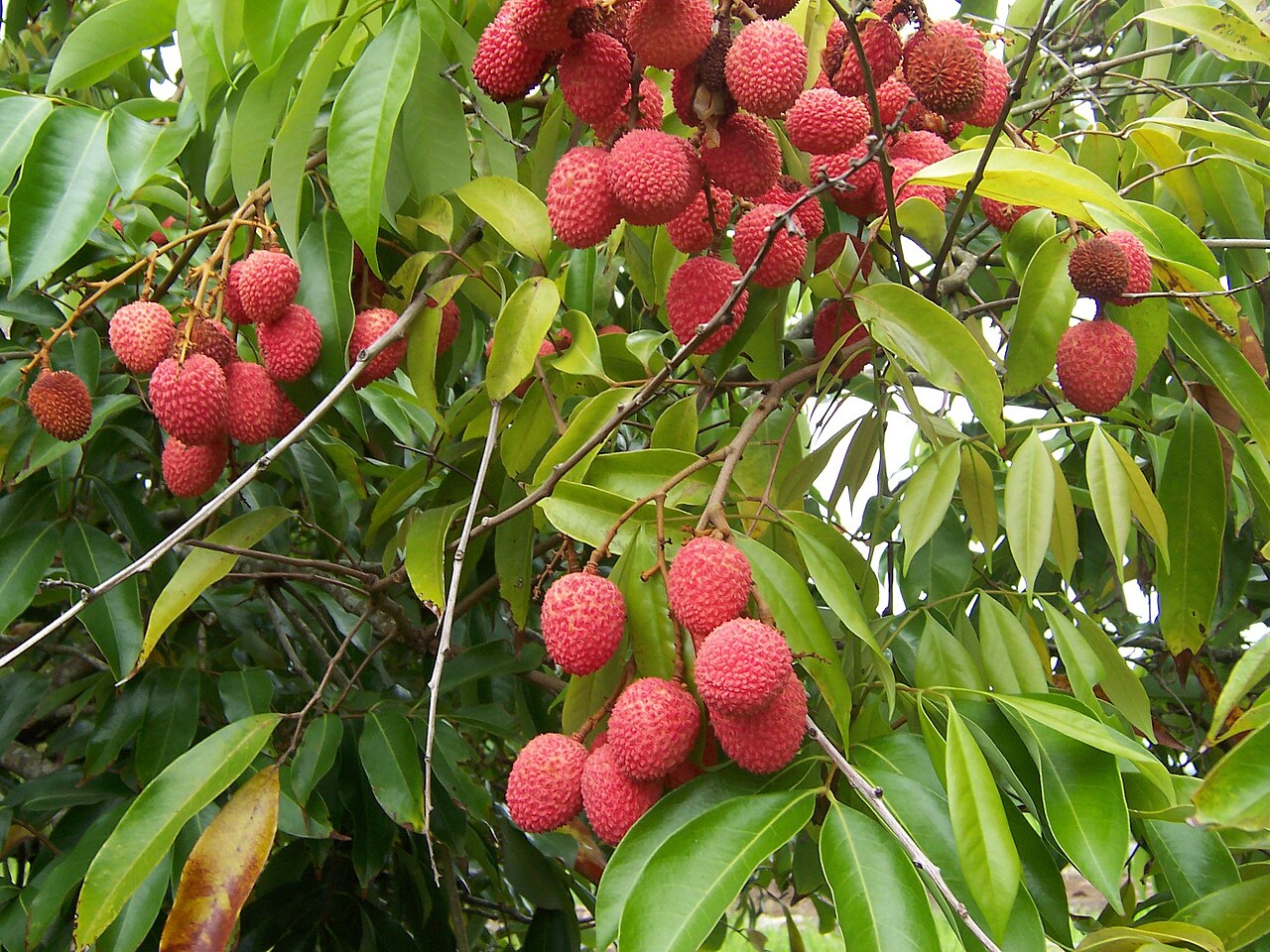
The white flesh is sweet, and some varieties also have some sharpness. You peel it and remove the stone in the middle to eat.
Lychee: season, flavour and how to eat it →You can taste both sweetness and sharpness in the translucent flesh. Do not bite the stone in a segment that has one; take it out.
Longkong: season, flavour and how to eat it →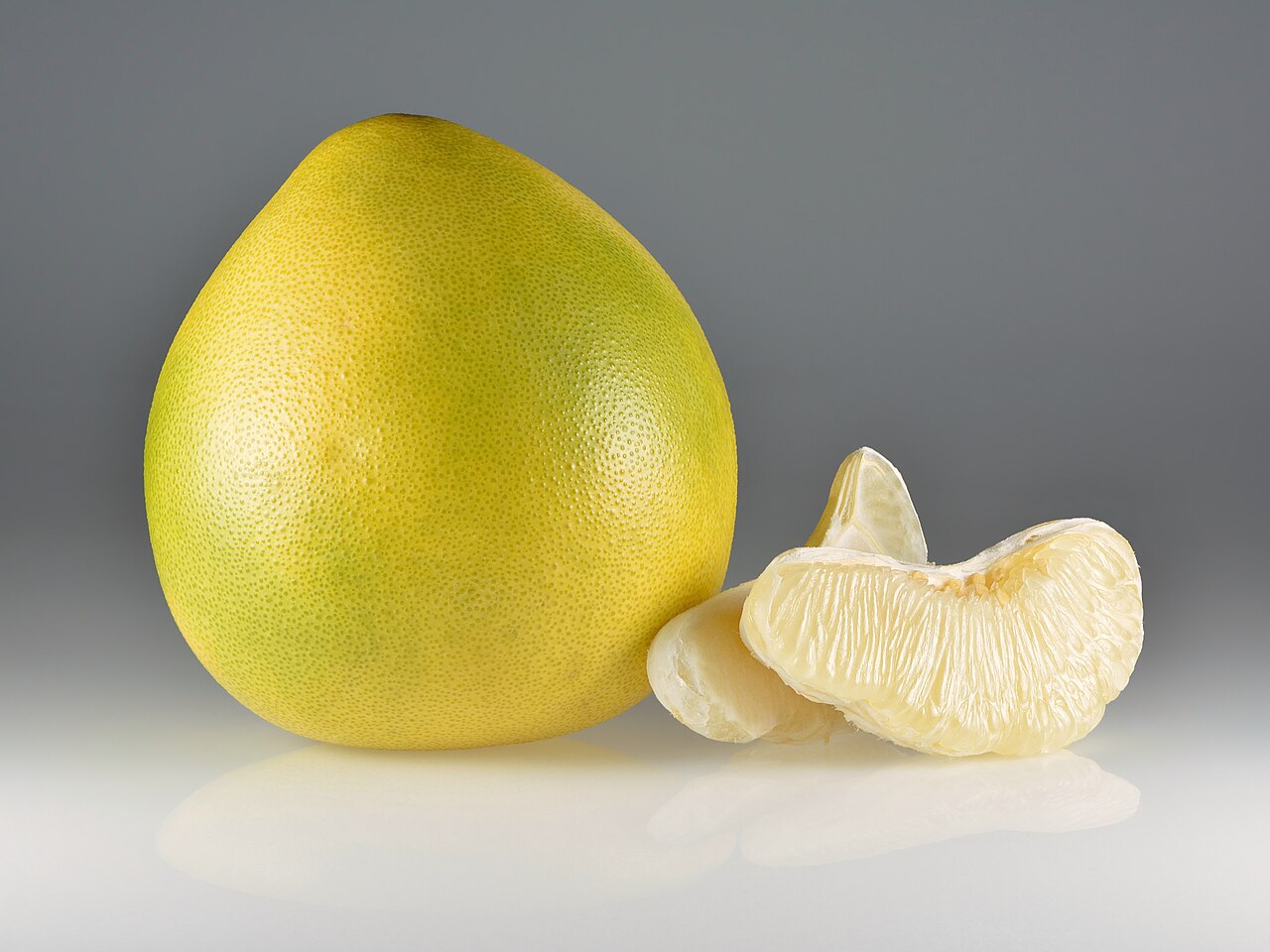
It is a citrus fruit in which you can feel the grains of the flesh. Colour, sweetness and sharpness differ with each variety, from yellowish to pinkish flesh.
Pomelo: season, flavour and how to eat it →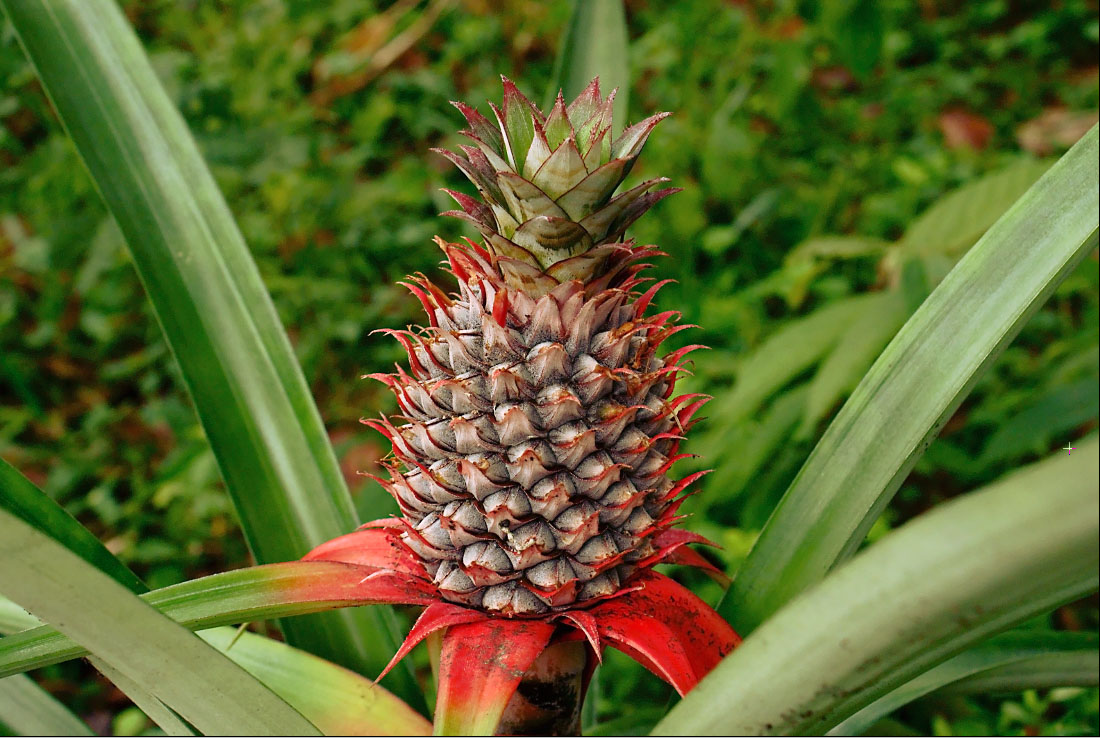
You get sweetness and sharpness together, and the firmness of the flesh varies with the variety. If a seasoning is served separately, try the fruit first and then add it.
Pineapple: season, flavour and how to eat it →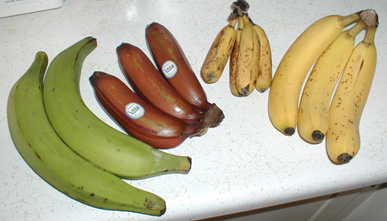
The sweetness and the firmness of the flesh differ with the variety and how ripe it is. It helps to tell apart bananas eaten when they ripen to yellow and bananas used in cooking.
Banana: season, flavour and how to eat it →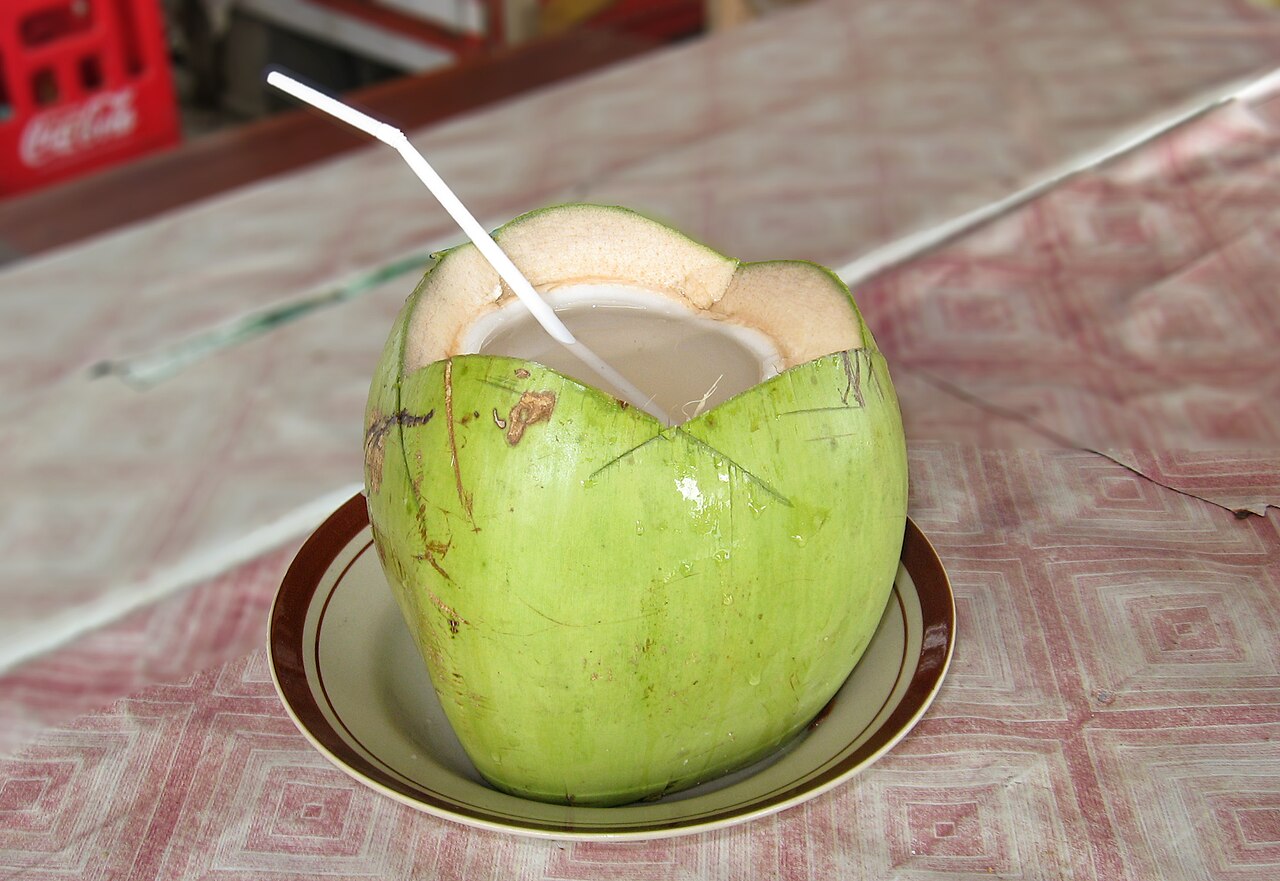
With a young coconut you enjoy the water and the soft white flesh together. Nam hom is presented as a variety whose scent is its feature.
Young Coconut: season, flavour and how to eat it →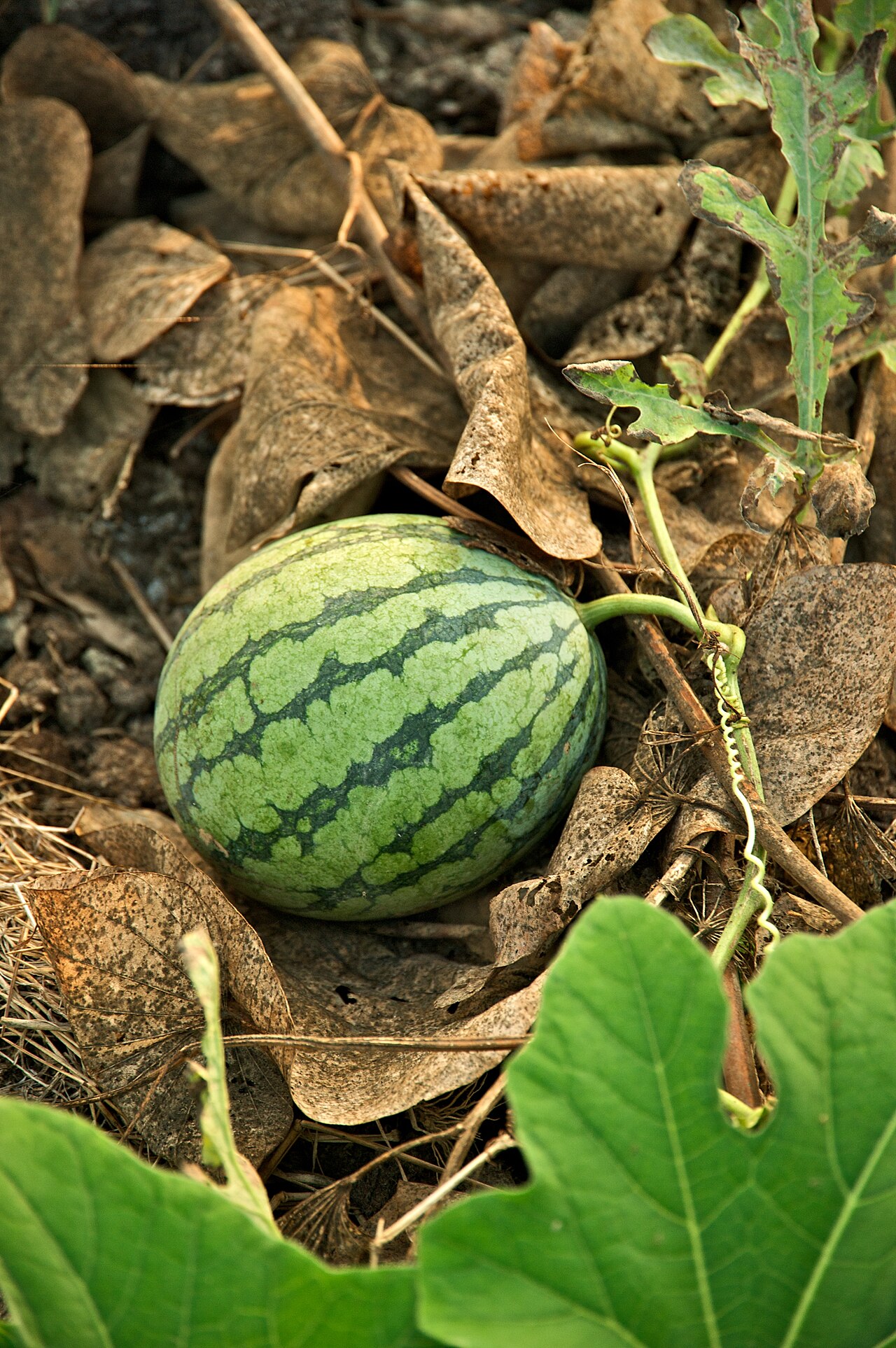
It is a crunchy, juicy fruit. The fresh fruit and nam taeng mo pan, blended with ice, are enjoyed for their different textures.
Watermelon: season, flavour and how to eat it →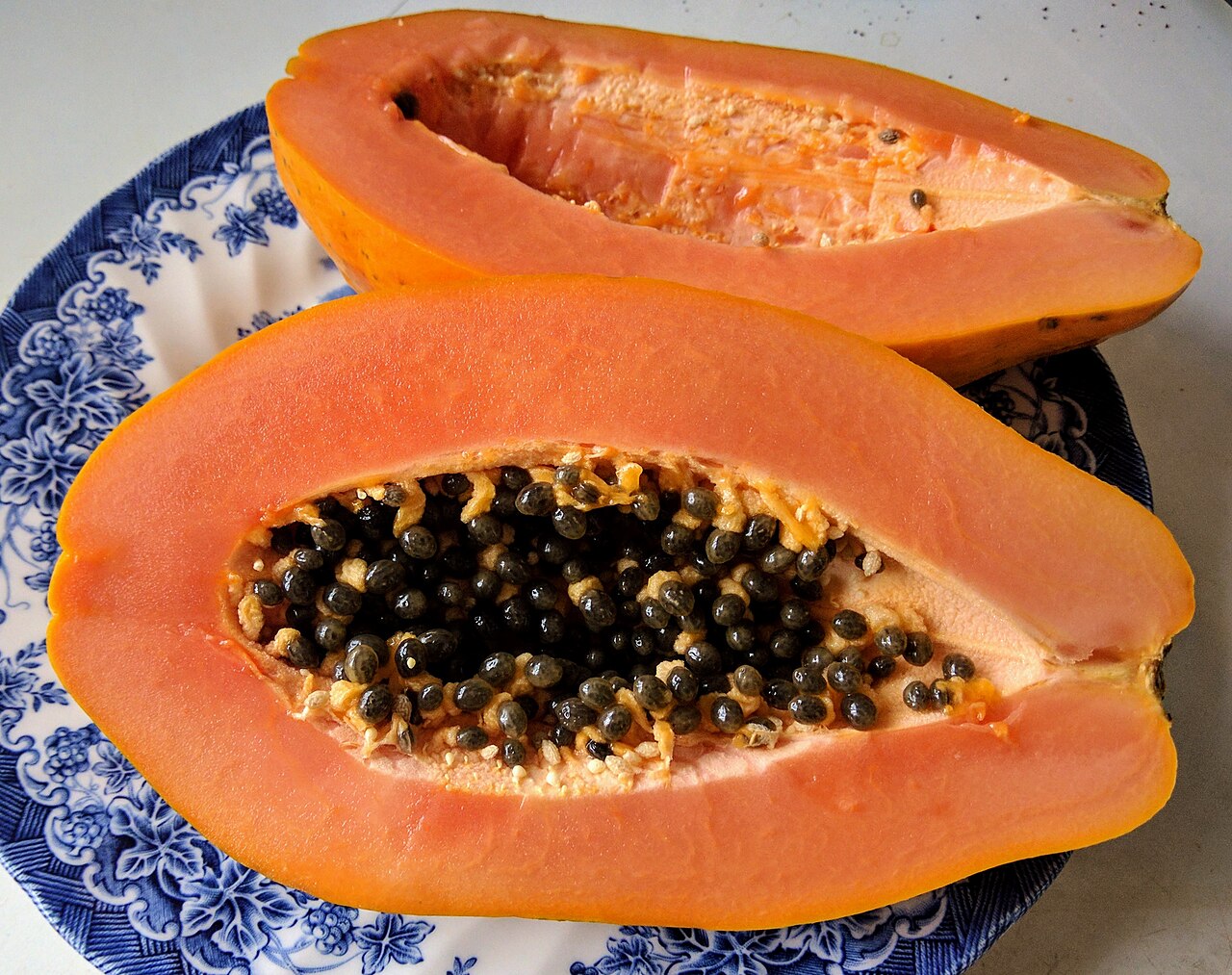
Ripe papaya is a fruit in which you enjoy soft flesh. Unripe papaya is also used as an ingredient in dishes, so the texture differs from eating it as fresh fruit.
Papaya: season, flavour and how to eat it →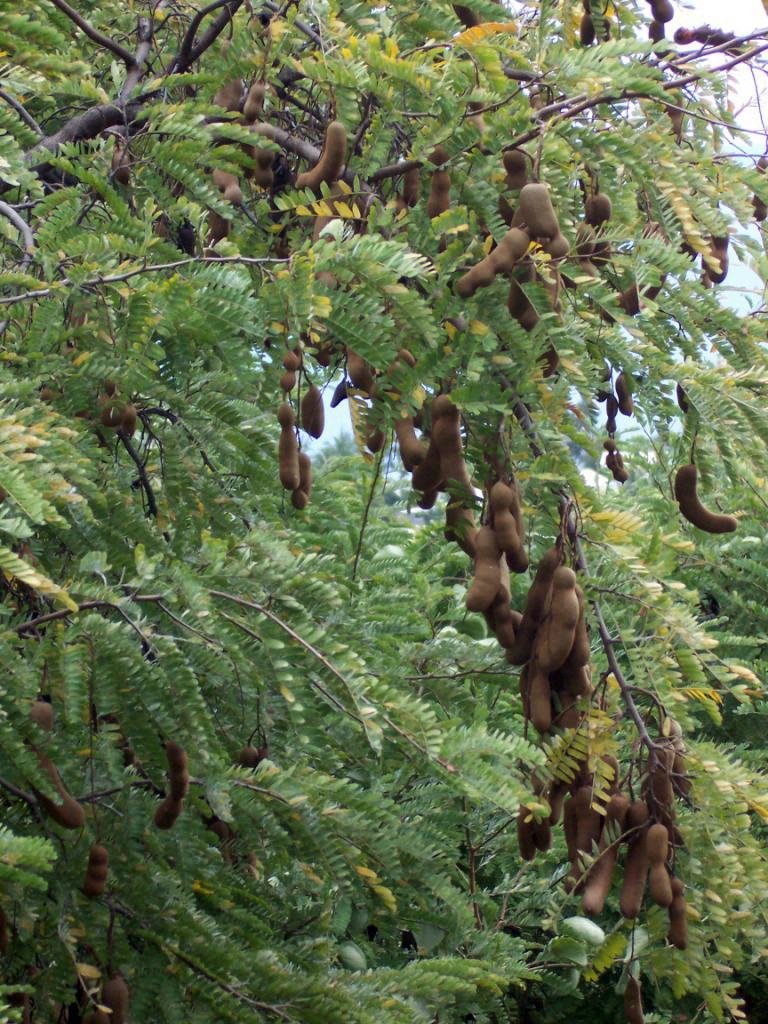
Sweet tamarind is a fruit eaten soft and sweet. Take out the hard stone and the fibres in the middle and eat the flesh.
Sweet Tamarind: season, flavour and how to eat it →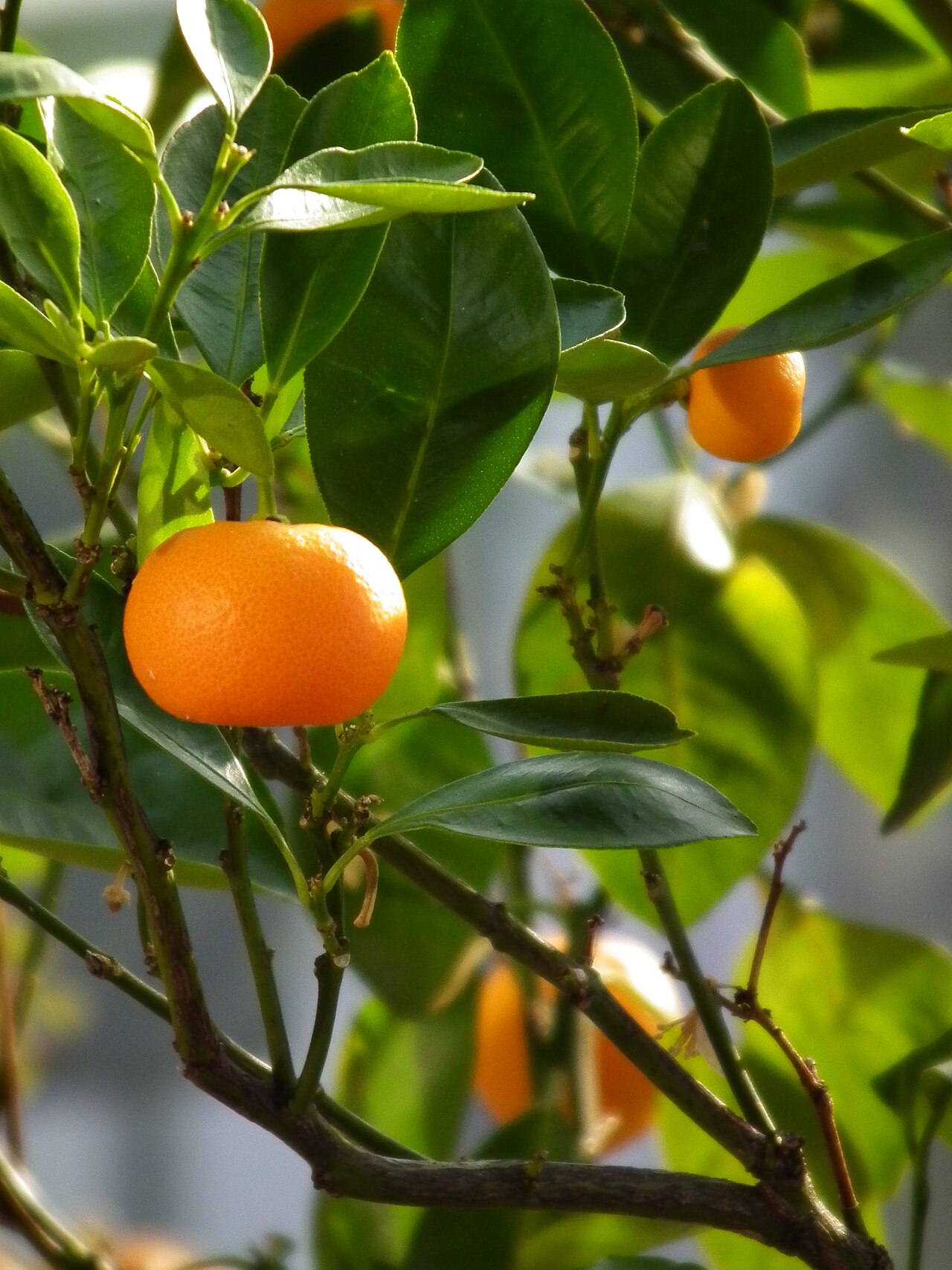
You enjoy the sweetness and the sharpness of citrus together. The flavour changes with the variety and how ripe it is, and the flesh may have seeds.
Thai Mandarin Orange: season, flavour and how to eat it →Nakhon Nayok mayongchid is presented as having sweetness and sharpness together, with crunchy flesh. Take out the stone in the middle and eat.
Mayongchid (Marian Plum): season, flavour and how to eat it →Whole fruit is sometimes sold by the kilo, bananas by the bunch and coconuts one at a time. A tub of prepared fruit or a cup of watermelon shake is best kept separate from the price of whole fruit.
Bangkok retail prices · 14 October 2026
These are prices by variety and grade, surveyed by Thailand’s Department of Internal Trade. They do not apply to every stall on the street.
| Fruit and variety | Price | Unit |
|---|---|---|
| Mangosteen · smooth-skin grade | 40–60 baht | 1 kg |
| Rambutan · Rong Rian (โรงเรียน) | 50–60 baht | 1 kg |
| Longan · E-daw (อีดอ) | 50–60 baht | 1 kg |
| Longkong | 40–50 baht | 1 kg |
| Pineapple · Sriracha (ศรีราชา), grade 2 | 30–32 baht | 1 kg |
| Watermelon · Kinnaree (กินรี) | 25–30 baht | 1 kg |
| Papaya · Holland (ฮอลแลนด์) | 40–60 baht | 1 kg |
| Banana · Nam Wa (น้ำว้า) | 40–50 baht | 1 bunch |
| Mandarin · Sai Nam Phueng (สายน้ำผึ้ง), grade 5 | 60–65 baht | 1 kg |
Keep the price of a bag or tub of cut fruit separate from the per-kilo price of whole fruit. Bananas are priced per bunch in this survey.
If you would like to read more about the food and the regions behind it, these sources are worth a look. Ingredients and cooking methods can vary from one cook to the next.
Sharing image credit: Ivar Leidus · CC BY-SA 4.0