If you are choosing a first meal in Bangkok, start with pad Thai. For the next meal, try a curry with rice, or share a tom yum kung. Finish with mango sticky rice for something sweet. In Bangkok you can eat central Thai food, and dishes from many other regions too.
Choosing a meal in Bangkok If you are eating alone, choose a plate of pad Thai or a curry with rice. With friends or family, share a tom yum kung and finish with a plate of mango sticky rice for pudding.
The food culture you will meet here
Bangkok is a city where the food of many Thai regions comes together. The choice runs from central rice and curries to dishes brought from other parts of the country. Here we introduce signature dishes that are easy to choose even if Bangkok is your first taste of Thai food.
The dishes below are not local specialities that you can only eat in Bangkok. They can be found in many Thai cities.
What to eat in Bangkok
Pick a dish you fancy. Each guide explains the flavour and what to eat it with.
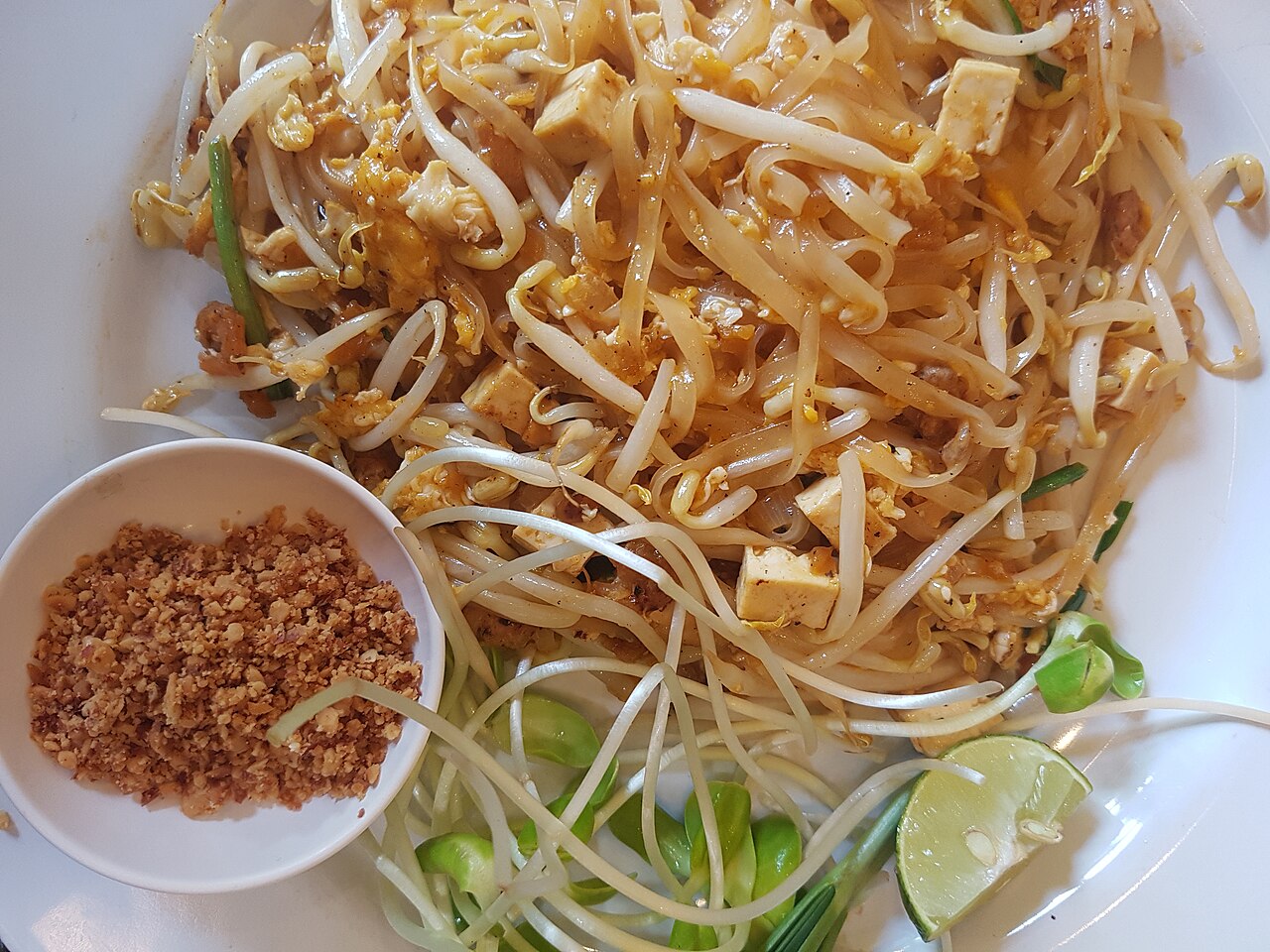
Sour tamarind meets sweet and salty notes. Soft noodles, then the crunch of beansprouts and the richness of peanuts as you chew. Where dried chilli flakes are served on the side, you can add as much as you like.
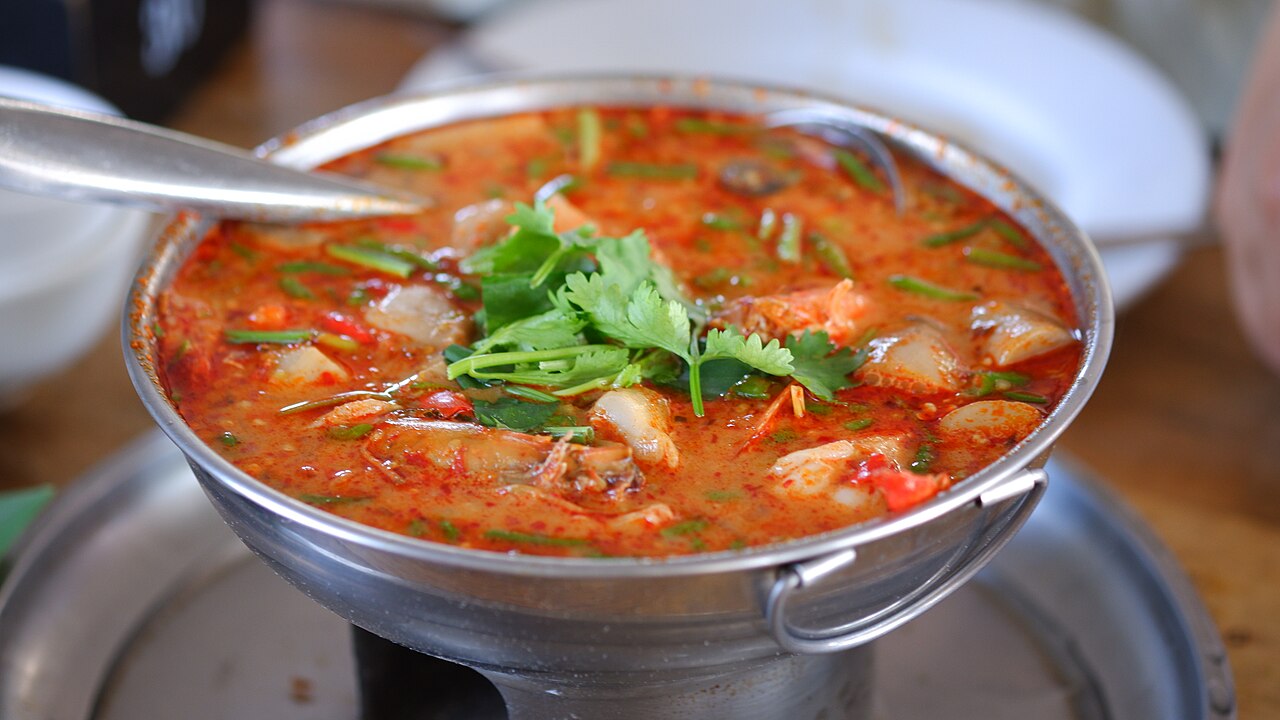
The broth carries the flavour of prawns, with sourness and heat on top. Lemongrass, galangal and kaffir lime leaves give tom yum its distinctive aroma. It can be made with a clear broth or a rich one, so dishes with the same name can taste a little different.
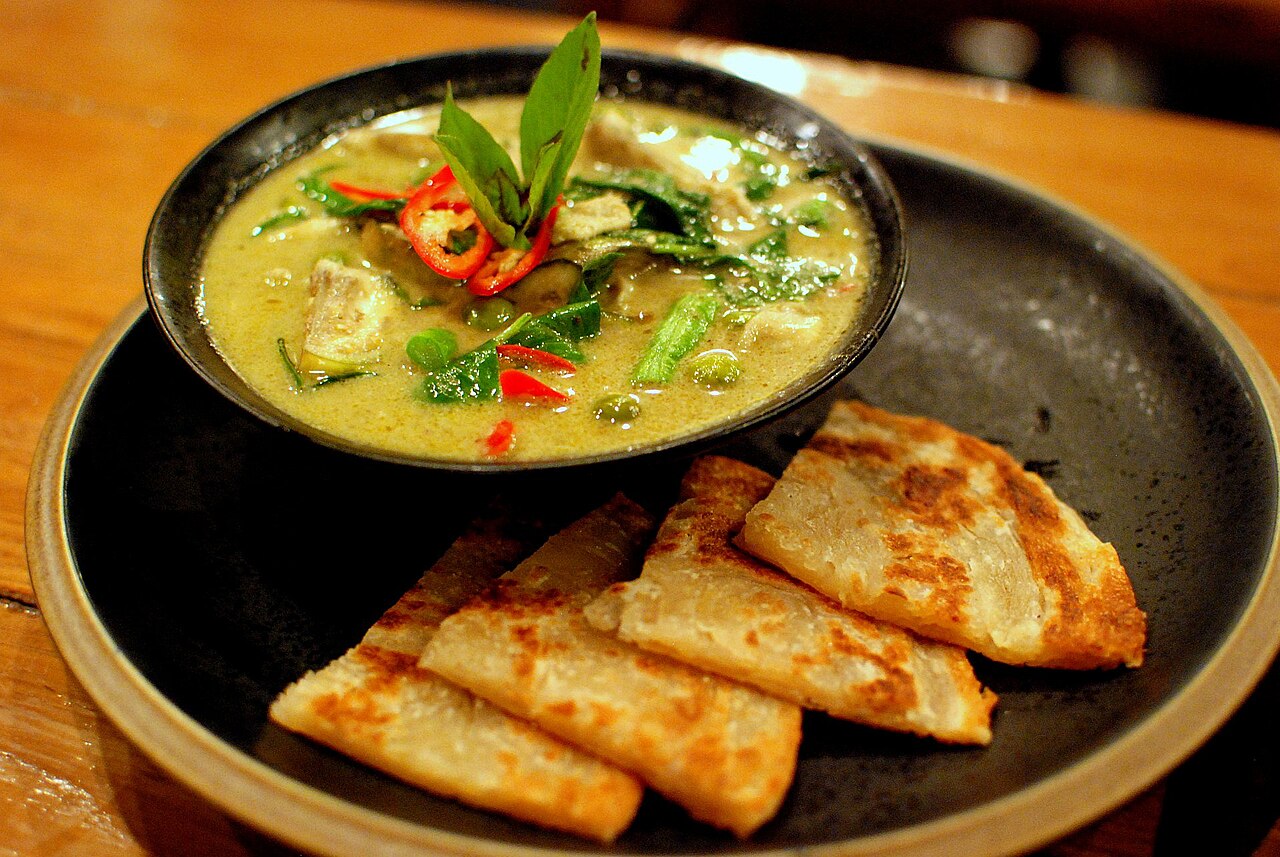
Behind the rich, smooth coconut milk you can feel the heat of the curry paste. The herb aroma is clear too, so it tastes quite different from a typical curry-house curry. Spoon a little curry and its pieces over your rice at a time.
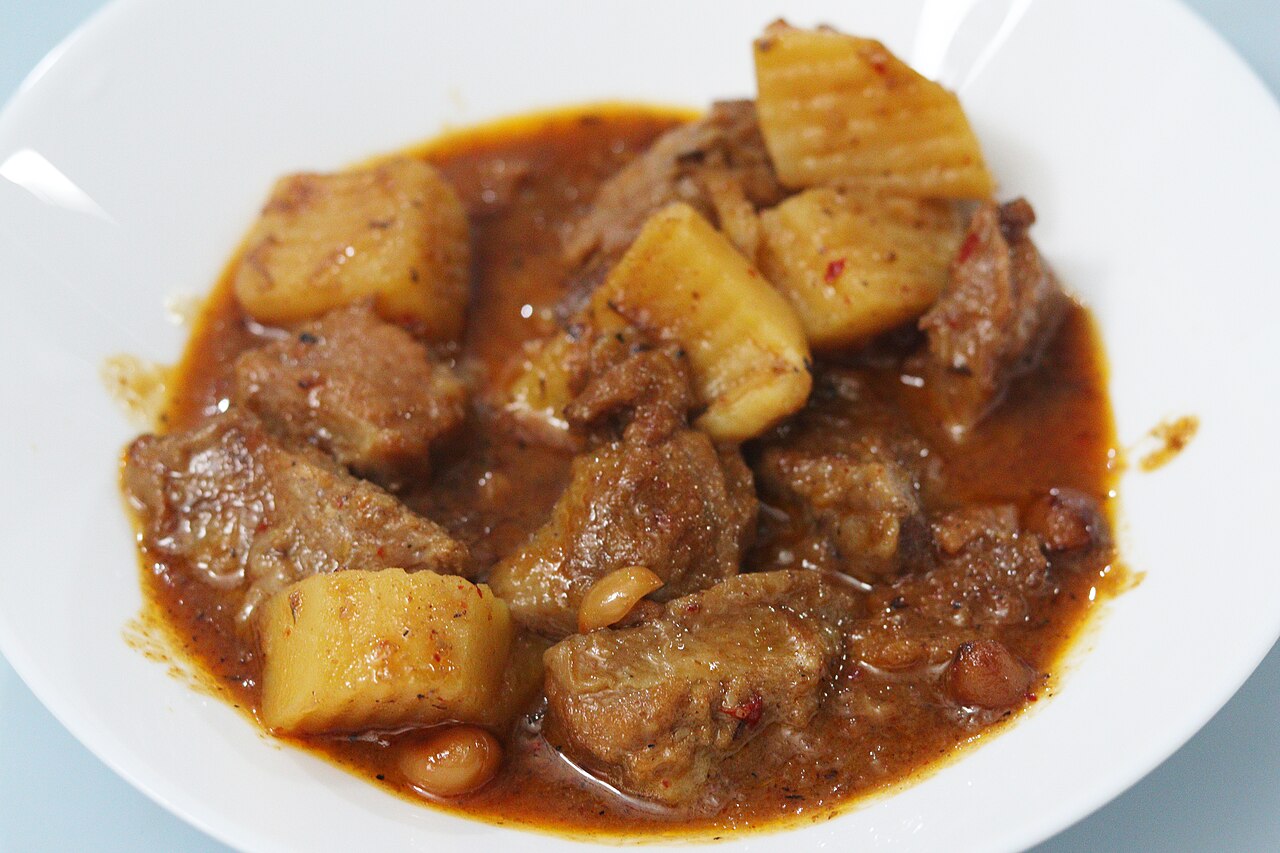
The aroma of spices such as cinnamon, cardamom and cloves runs through the curry. Eating it beside a green curry, where herbs stand out, makes the difference between the two easy to taste. Have the rich sauce with your rice a little at a time.
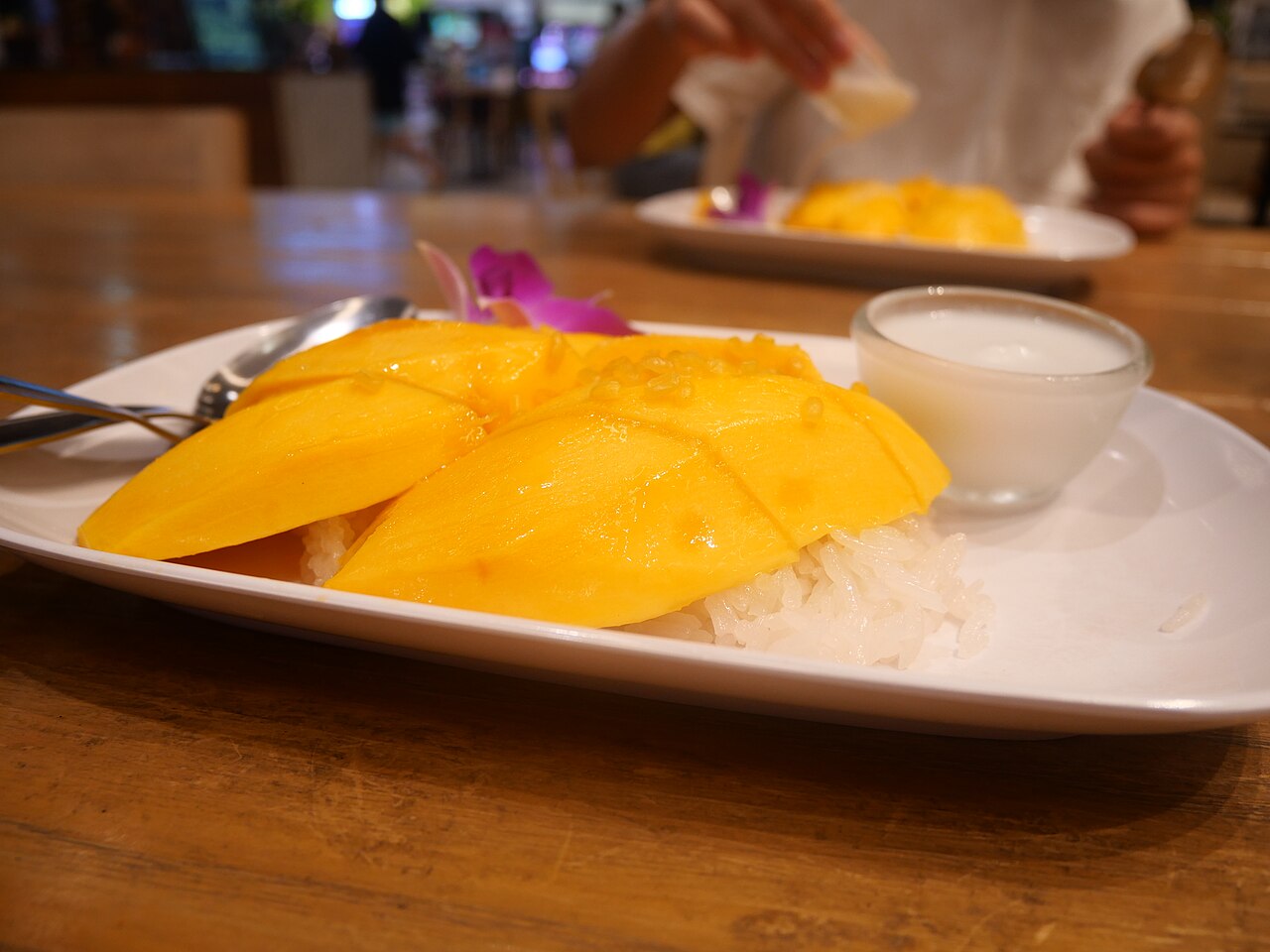
The sweetness of mango is joined by the richness of coconut. The sticky rice is chewy, so the texture is different from eating the fruit alone. Taste the mango and the rice separately, then bring them together on one spoon.
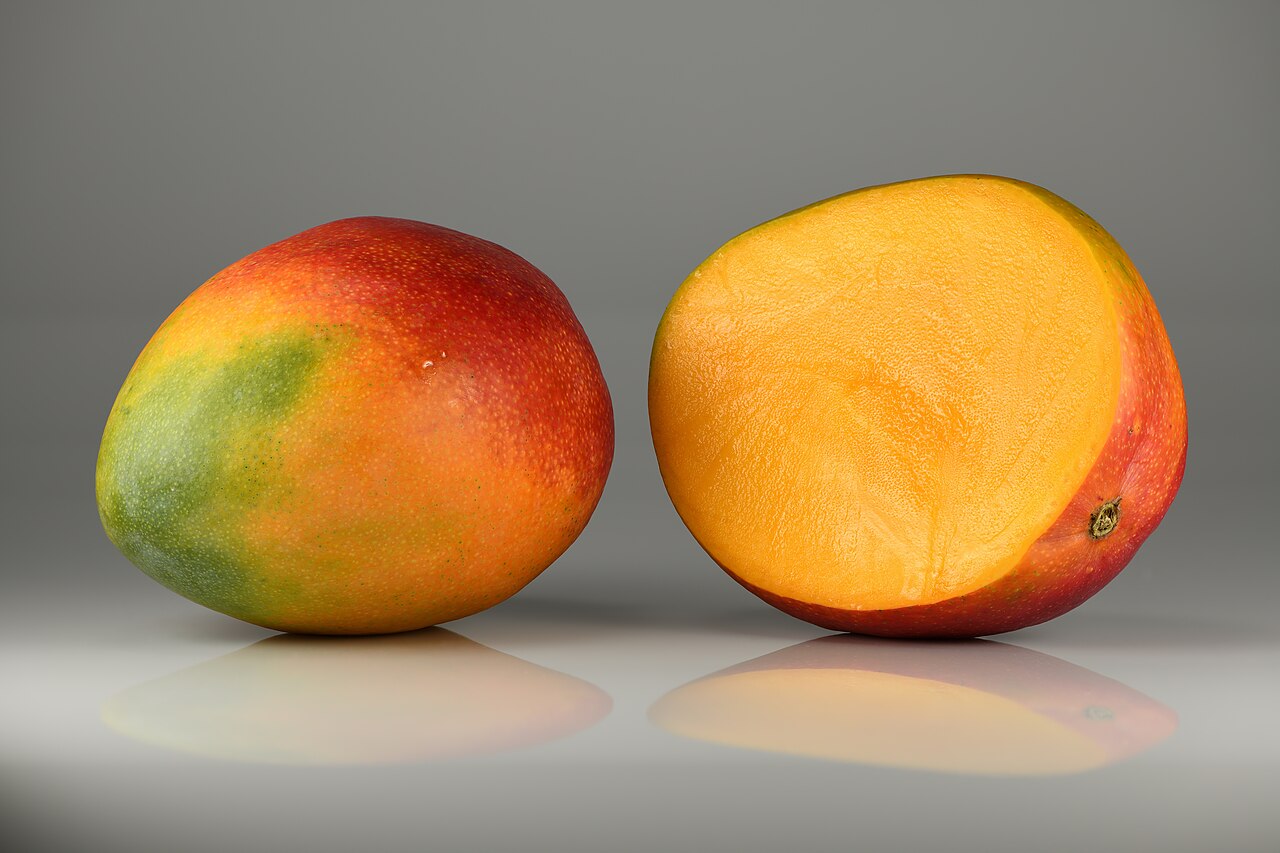
A reference photo showing mango. It is not limited to photos of the Thai growing areas or varieties described in the text. Mangos - single and halved · Ivar Leidus · CC BY-SA 4.0 Resized for display; may be cropped · Photo used under CC BY-SA 4.0Main season March–May
Ripe mango is soft and sweet. Some varieties of green mango are eaten for a texture different from ripe mango, so you do not need to assume that every green one is unripe.
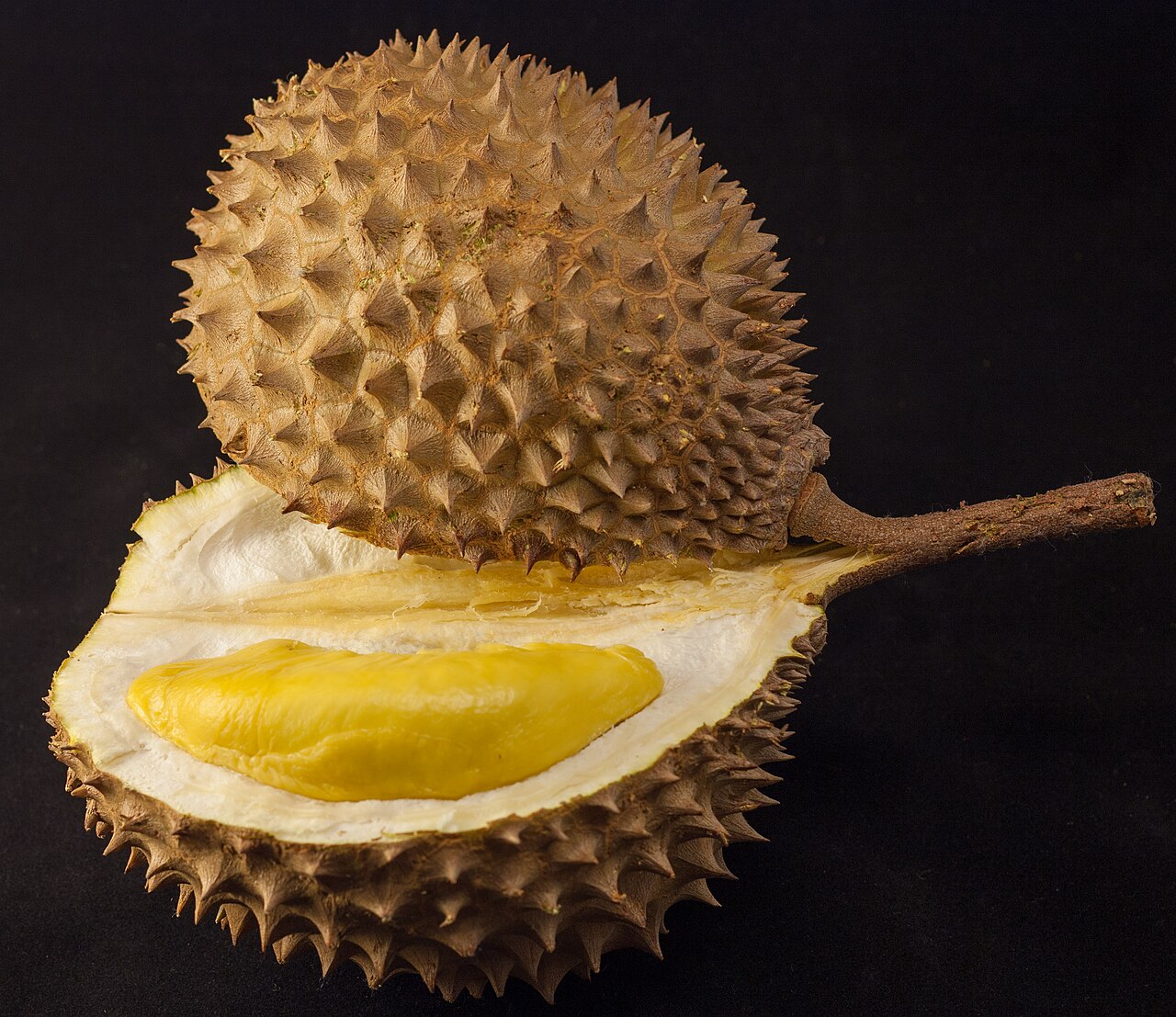
Mango: season, flavour and how to eat it →A reference photo showing durian. It is not limited to photos of the Thai growing areas or varieties described in the text. Durian in black · مانفی · CC BY-SA 4.0 Resized for display; may be cropped · Photo used under CC BY-SA 4.0Main season April–August
Bangkok retail prices · 14 October 2026 These are prices by variety and grade, surveyed by Thailand’s Department of Internal Trade. They do not apply to every stall on the street.
Whole-fruit retail prices for reference · Thai baht (THB)
The dishes below are not local specialities that you can only eat in Bangkok. They can be found in many Thai cities.
How should I choose something I have never tried?
If you are eating alone, choose a plate of pad Thai or a curry with rice. With friends or family, share a tom yum kung and finish with a plate of mango sticky rice for pudding.
If you would like to read more about the food and the regions behind it, these sources are worth a look. Ingredients and cooking methods can vary from one cook to the next.