Noodles and snacks shaped by Chinese and Malay culture
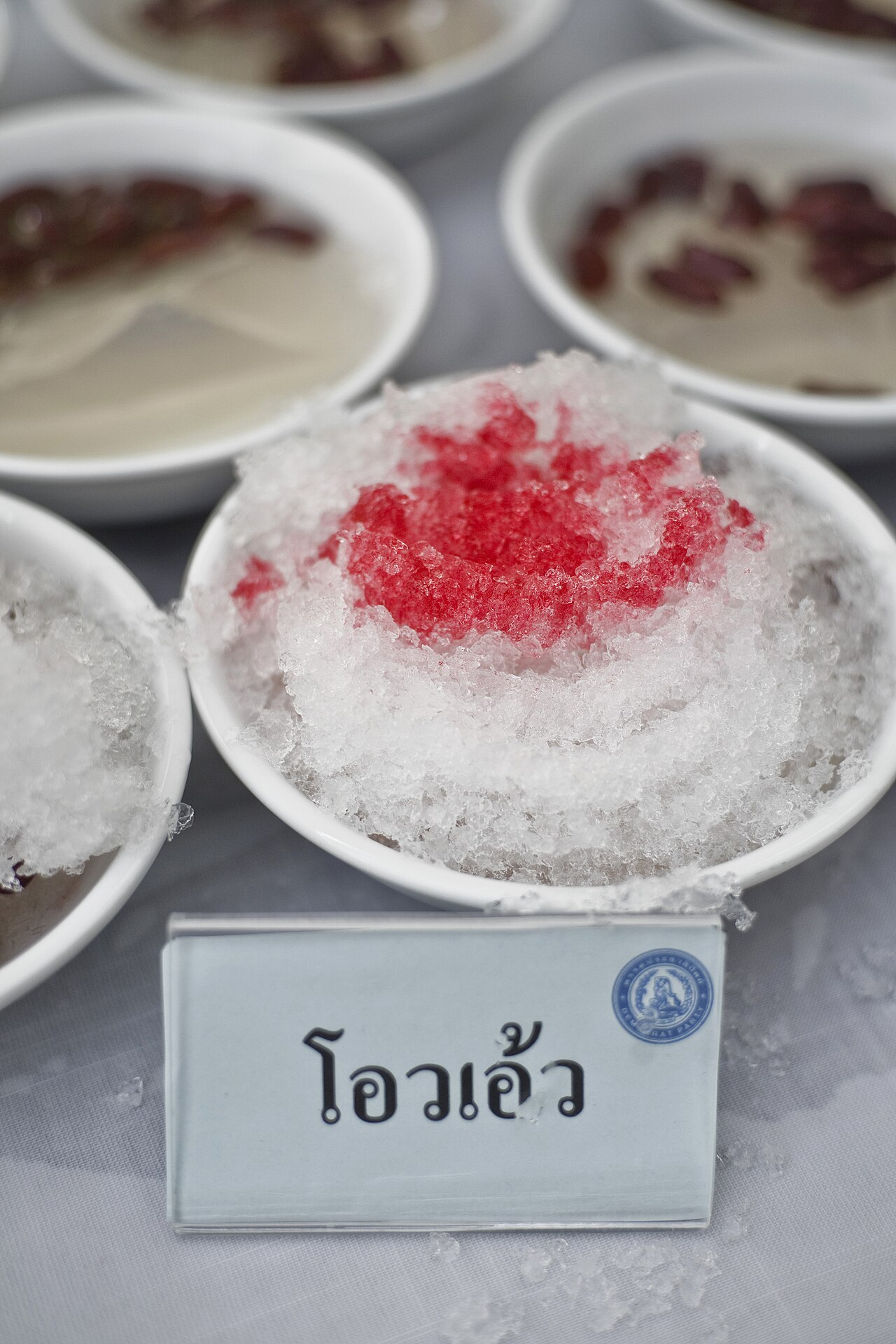
In Phuket, you do not have to stop at grilled seafood. Try mi hokkien, a stir-fry of thick noodles, and mi hun, made with thin rice noodles. After the meal, take a break with o-aew, a cup of ice and jelly. Add the local food to a day of exploring Old Phuket Town.
Choosing a meal in Phuket For a meal, have mi hokkien or mi hun, and on a hot day pick o-aew for dessert. If you are with a group, share both noodle dishes and compare thick and thin noodles.
The food culture you will find here
The food of Phuket carries the influence of Chinese and Malay food culture. Thick noodles may be stir-fried with seafood, and thin noodles may come with a pork rib broth. Once you look at snacks made with ice and jelly too, the Phuket table you thought of as seafood looks much more varied.
Mi hokkien and mi hun are different noodle dishes. If you order them by name, you can enjoy the difference in noodle texture and in what comes with each.
Dishes to try in Phuket
Pick a dish you are curious about. Each guide explains how it tastes and what to eat it with.
The thick noodles carry the flavor of the sauce and seafood. Compared with mi hun, which uses thin rice noodles, the texture of the noodles feels different. The taste of a bowl can change with the amount of broth and with extras such as egg.
You enjoy the texture of thin rice noodles together with the flavor of the broth served with them. If the noodles and broth come separately, alternate between them. It makes for a different meal from thick stir-fried noodles.
Sweet syrup and soft jelly join the cold ice. The taste and texture of each spoonful changes with the toppings you add. Scoop up ice and jelly together.
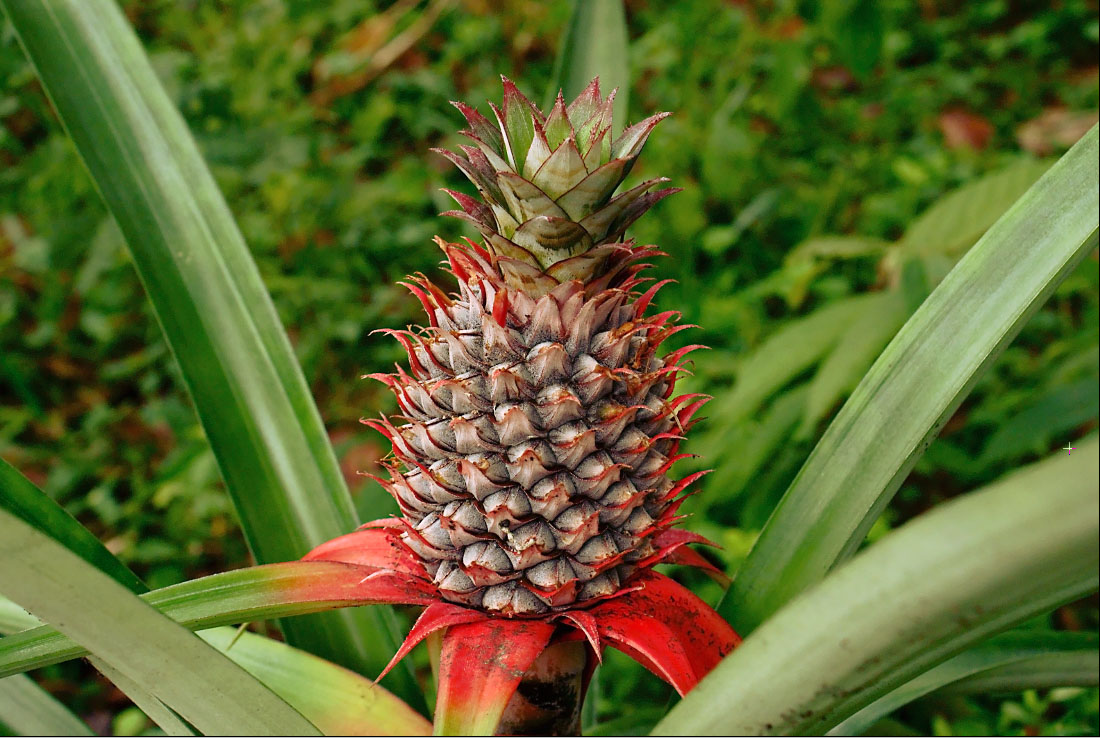
This is a reference photo showing what a pineapple looks like. It is not limited to photos of the Thai growing regions or varieties described in the text. കൈതച്ചക്ക · Suniltg at Malayalam Wikipedia · CC BY 3.0 Resized and partly cropped for displayMain harvest Apr–Jul
You taste sweetness and tartness together, and how firm the flesh is differs by variety. If seasoning is served on the side, taste the fruit first and then add a little.
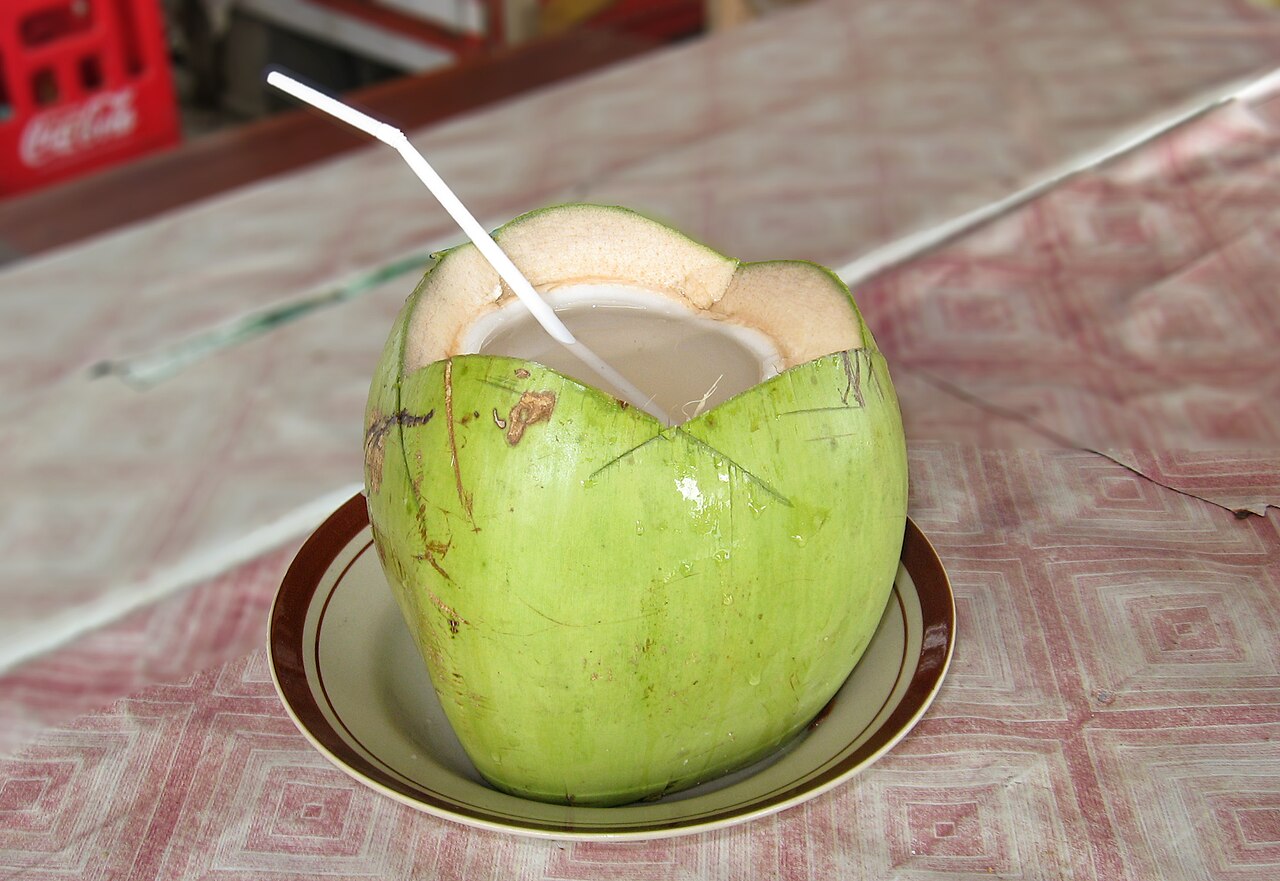
Pineapple: season, flavor and how to eat it →This is a reference photo showing what a young coconut looks like. It is not limited to photos of the Thai growing regions or varieties described in the text. Coconut Drink, Pangandaran · Crisco 1492 · CC BY-SA 3.0 Resized and partly cropped for display · Photo provided under CC BY-SA 3.0Available year-round
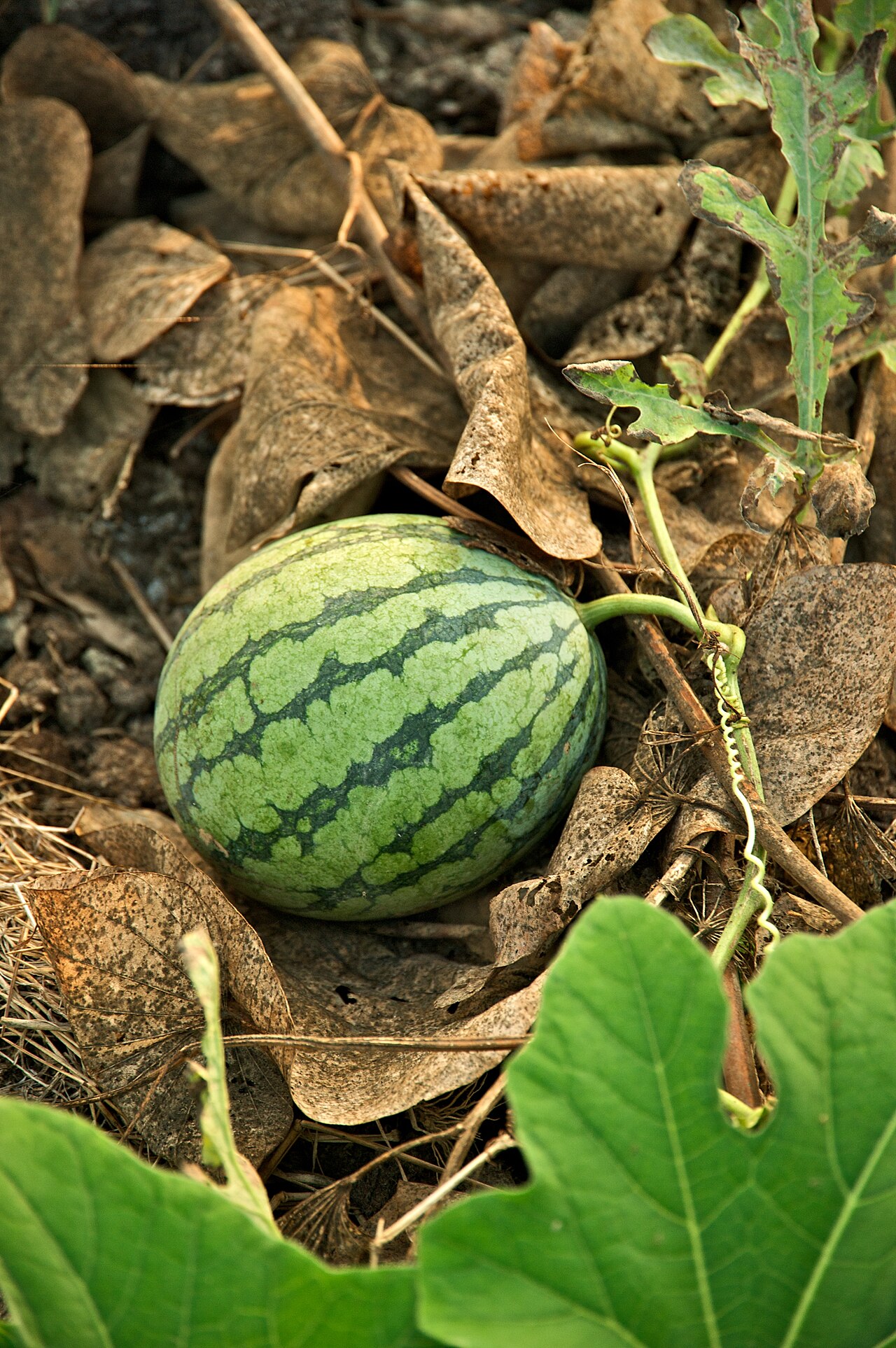
It is a crunchy, juicy fruit. Fresh fruit and taeng mo pan, blended with ice, give you different textures.
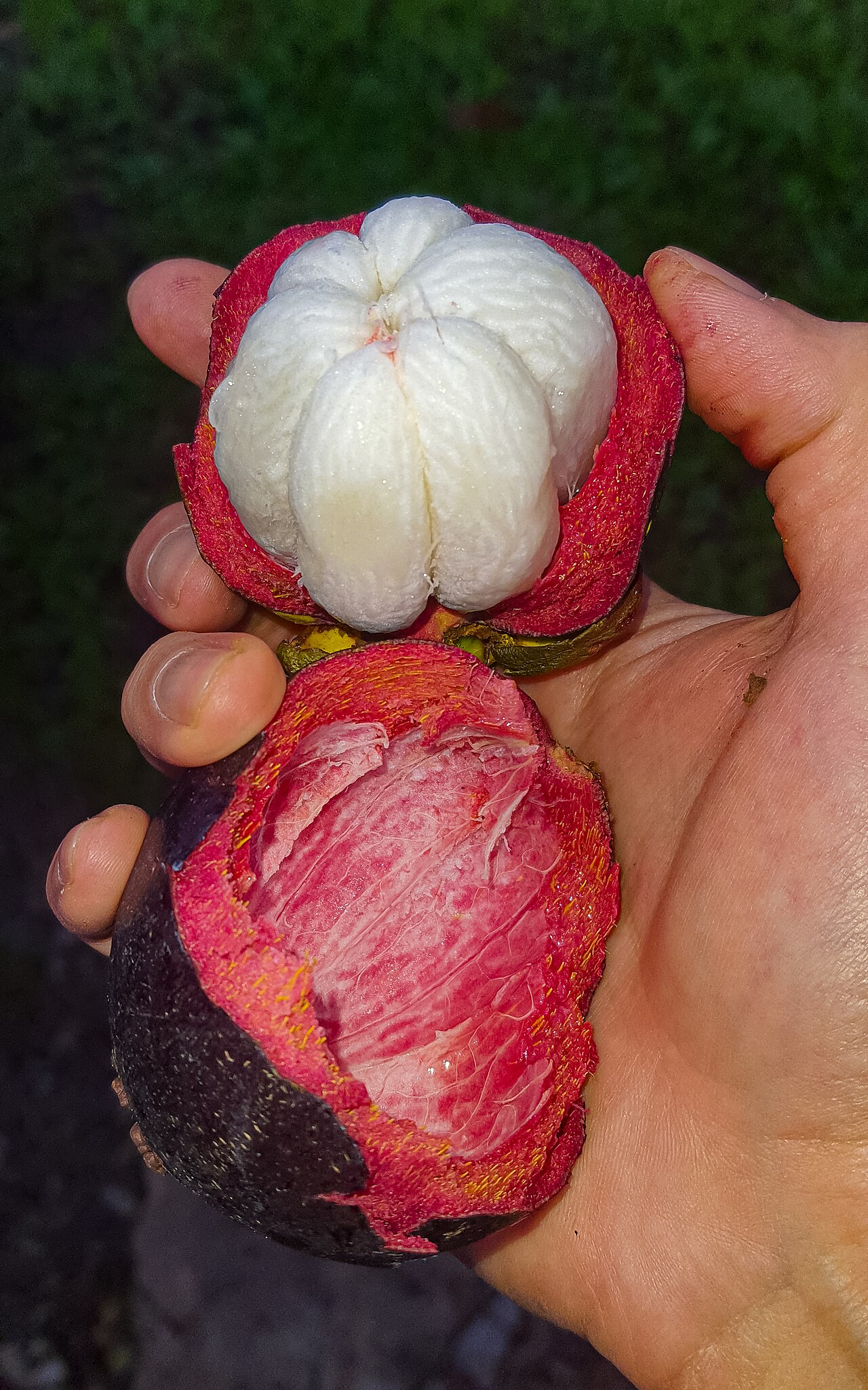
Watermelon: season, flavor and how to eat it →This is a reference photo showing what a mangosteen looks like. It is not limited to photos of the Thai growing regions or varieties described in the text. Peeled Mangosteen · Azreey · CC BY-SA 4.0 Resized and partly cropped for display · Photo provided under CC BY-SA 4.0Main harvest Apr–Aug
Mi hokkien and mi hun are different noodle dishes. If you order them by name, you can enjoy the difference in noodle texture and in what comes with each.
How do I choose what to eat the first time?
For a meal, have mi hokkien or mi hun, and on a hot day pick o-aew for dessert. If you are with a group, share both noodle dishes and compare thick and thin noodles.
If you want to read more about the food and the regions behind it, these sources are a good place to start. Ingredients and recipes can vary from one restaurant to the next.