In Chiang Mai, start your Northern Thai meals with a bowl of khao soi. You get soft noodles, crispy noodles and a rich curry broth together. At the next meal, try herb-scented sai ua and the tomato-based dip nam prik ong with sticky rice. You will see a Northern table that is quite different from a noodle dish.
Choosing a meal in Chiang Mai If you want a simple lunch, pick khao soi. On a day when you are sharing several dishes, order sai ua and nam prik ong with sticky rice and vegetables for a full Northern Thai meal.
The food culture you will find here
In the North, sticky rice is eaten with several side dishes, vegetables and nam prik. The khantoke meal, with food set out on small tables, shows this food culture as well. Khantoke is not the name of one dish. It refers to the tray of many dishes and the way of sharing the meal.
Khao soi, sai ua and nam prik ong are eaten not only in Chiang Mai but in other parts of the North too.
Dishes to try in Chiang Mai
Pick a dish you are curious about. Each guide explains how it tastes and what to eat it with.
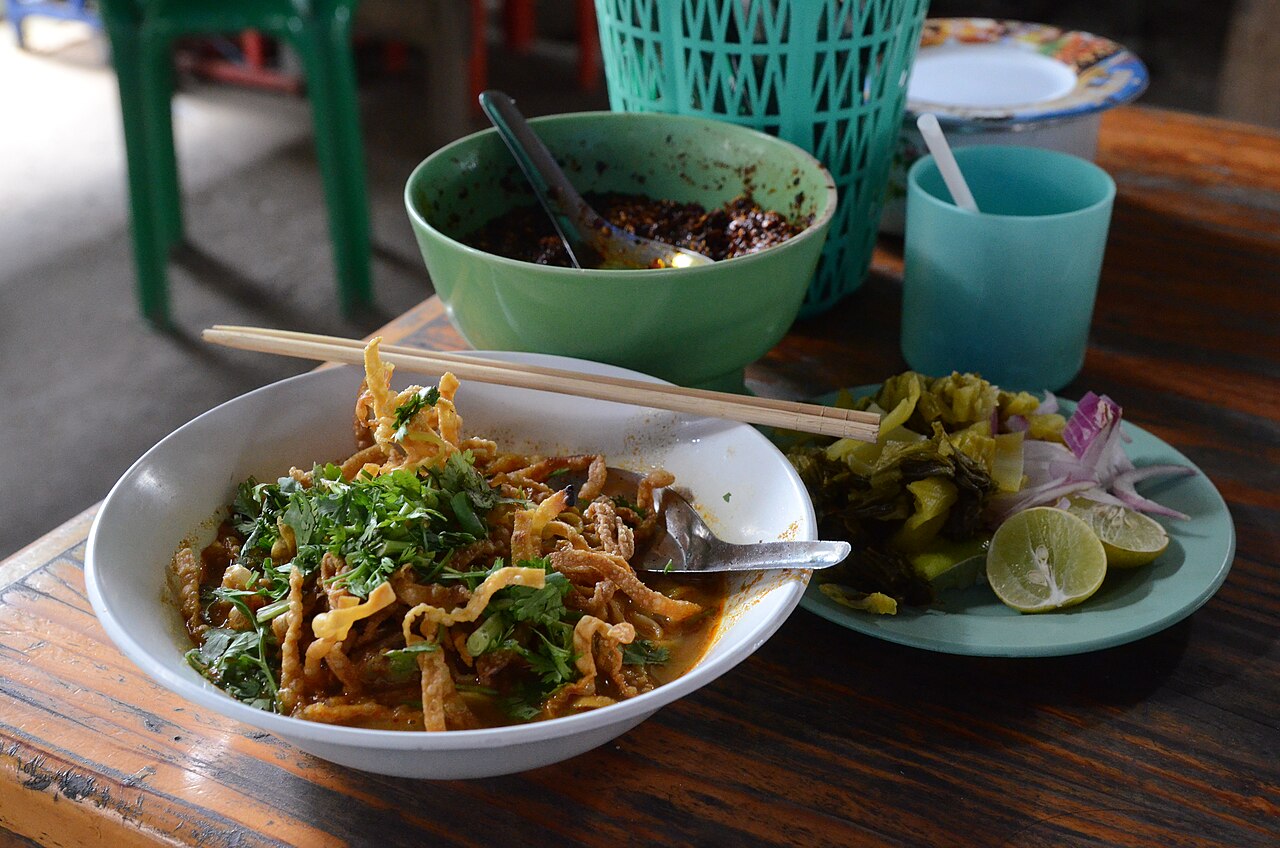
Khao soi · example dish Khao soi Chiang Mai · Takeaway · CC BY-SA 3.0 Resized and partly cropped for display · Photo provided under CC BY-SA 3.0A signature dish of the North · Rice & noodles
A rich curry broth and two kinds of noodle texture define it. The noodles on top start out crispy and slowly soften as they touch the broth. Taste the broth before and after you add the condiments and you can enjoy different flavors in a single bowl.
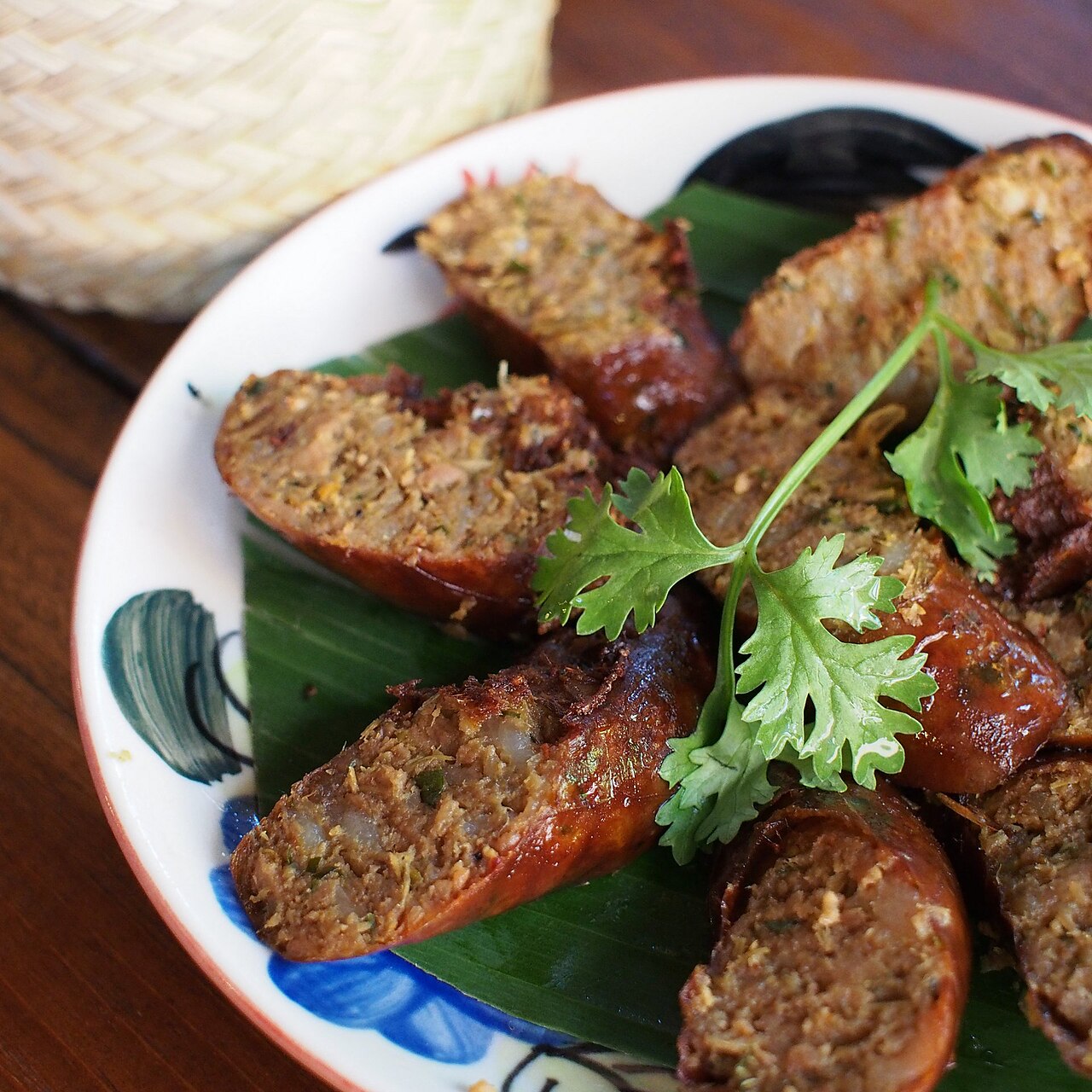
The savory flavor of pork is joined by herbs and chili seasoning. Its distinctive aroma is different from the sausages you are used to. The heat depends on the recipe, so if you are trying it for the first time, start with a small piece.
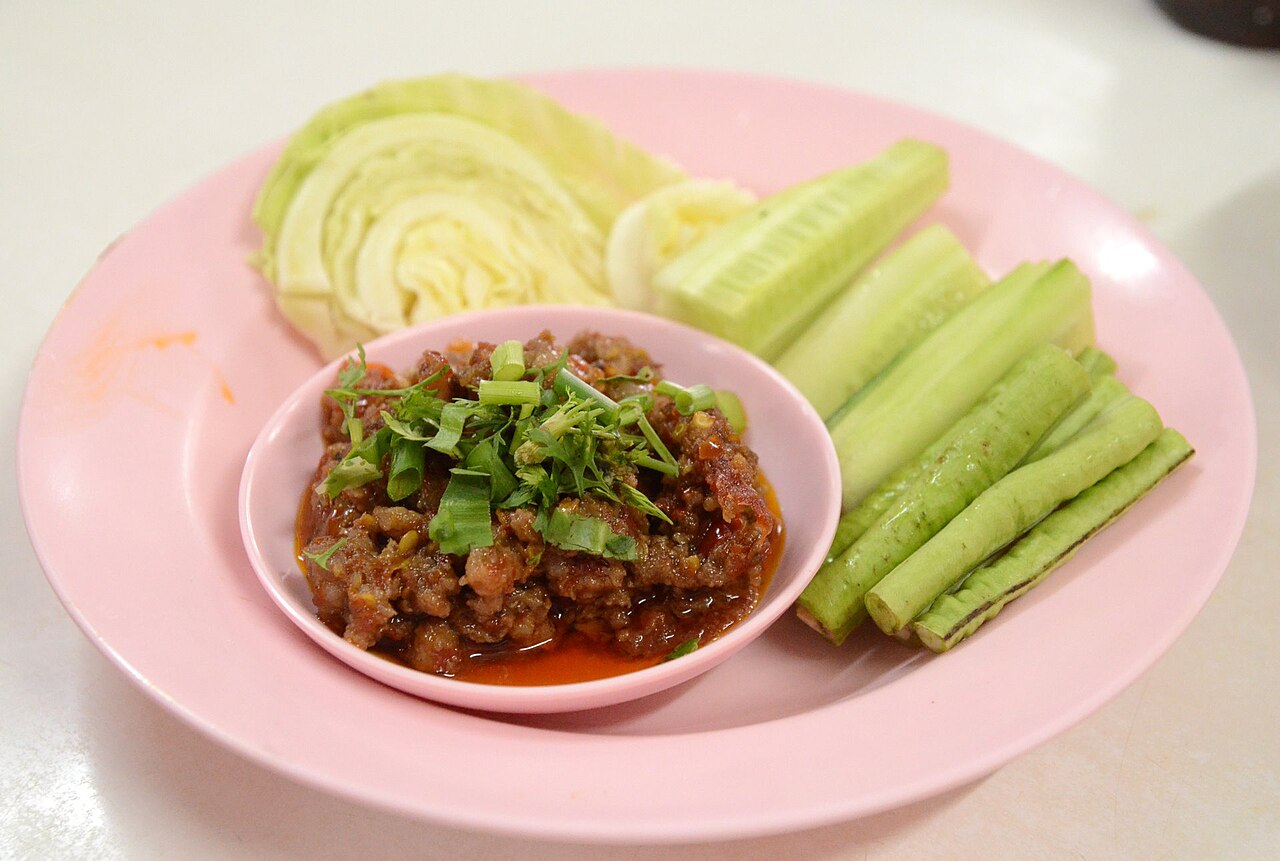
Chili seasoning is added to the tangy tomato and the savory pork. The smooth sauce goes with crunchy vegetables and the two textures work together. The heat differs from place to place.
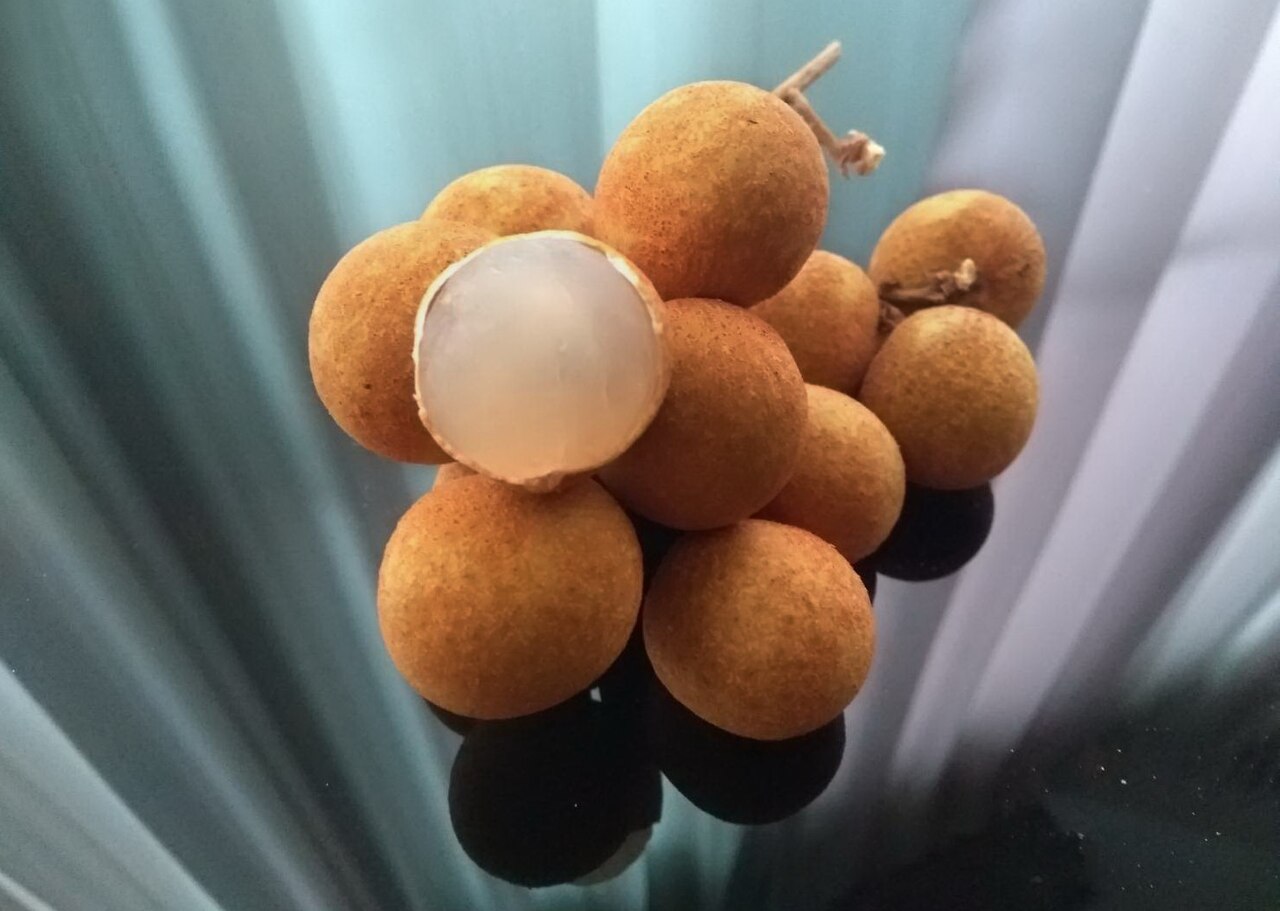
This is a reference photo showing what longan looks like. It is not limited to photos of the Thai growing regions or varieties described in the text. Thai fruit 220215 Longan ลำไย 002 · Mattis · CC BY-SA 4.0 Resized and partly cropped for display · Photo provided under CC BY-SA 4.0Main harvest Jun–Aug
The flesh is sweet, and the aroma differs with the variety. There is a black seed inside the white flesh, so remove it as you eat.
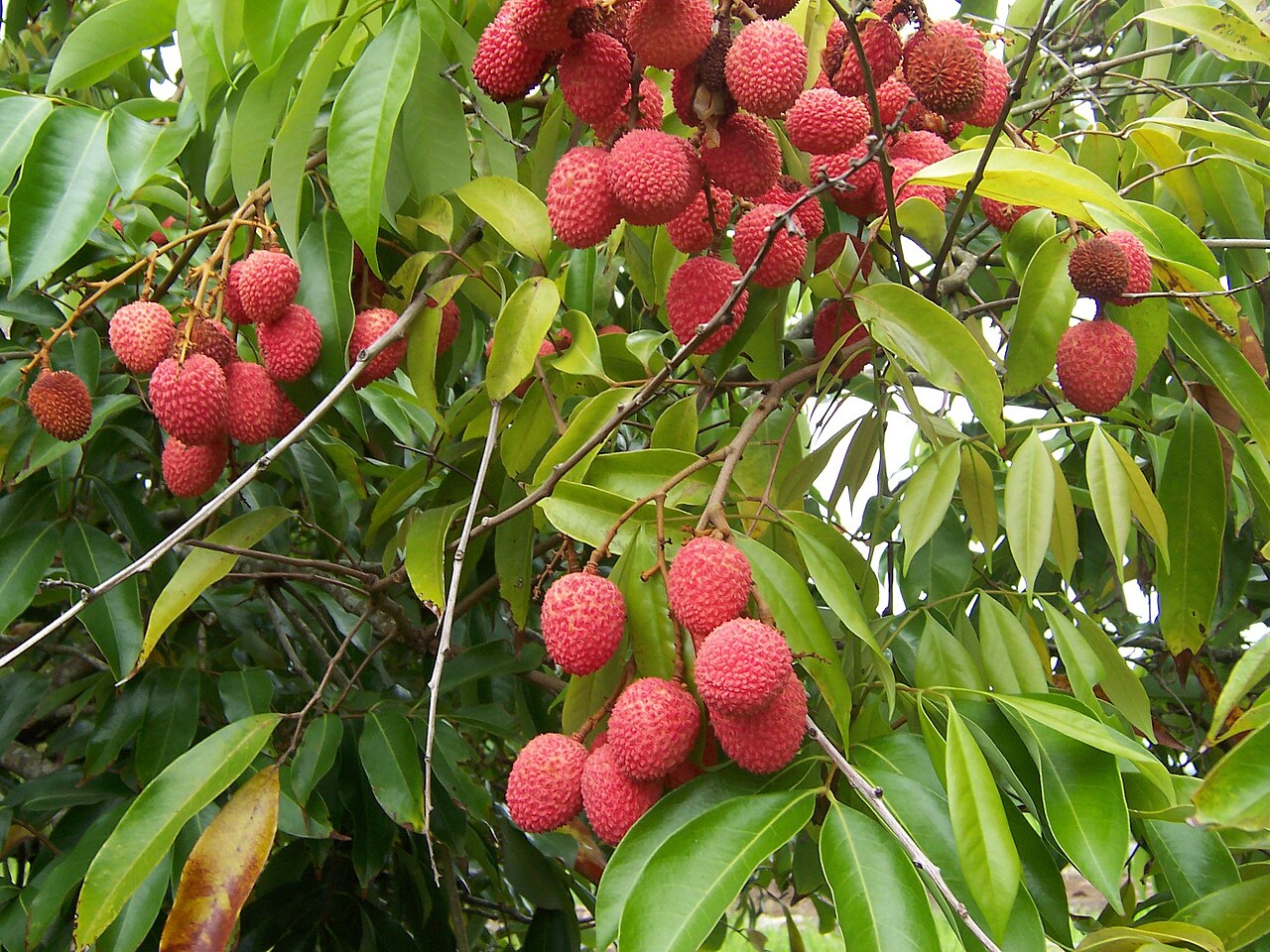
Longan: season, flavor and how to eat it →This is a reference photo showing what lychee looks like. It is not limited to photos of the Thai growing regions or varieties described in the text. Litchi chinensis fruits · B.navez · CC BY-SA 3.0 Resized and partly cropped for display · Photo provided under CC BY-SA 3.0Harvest listed Apr–Jun
The white flesh is sweet, and some varieties have a tart note. Peel the rind and eat the flesh, removing the seed in the middle.
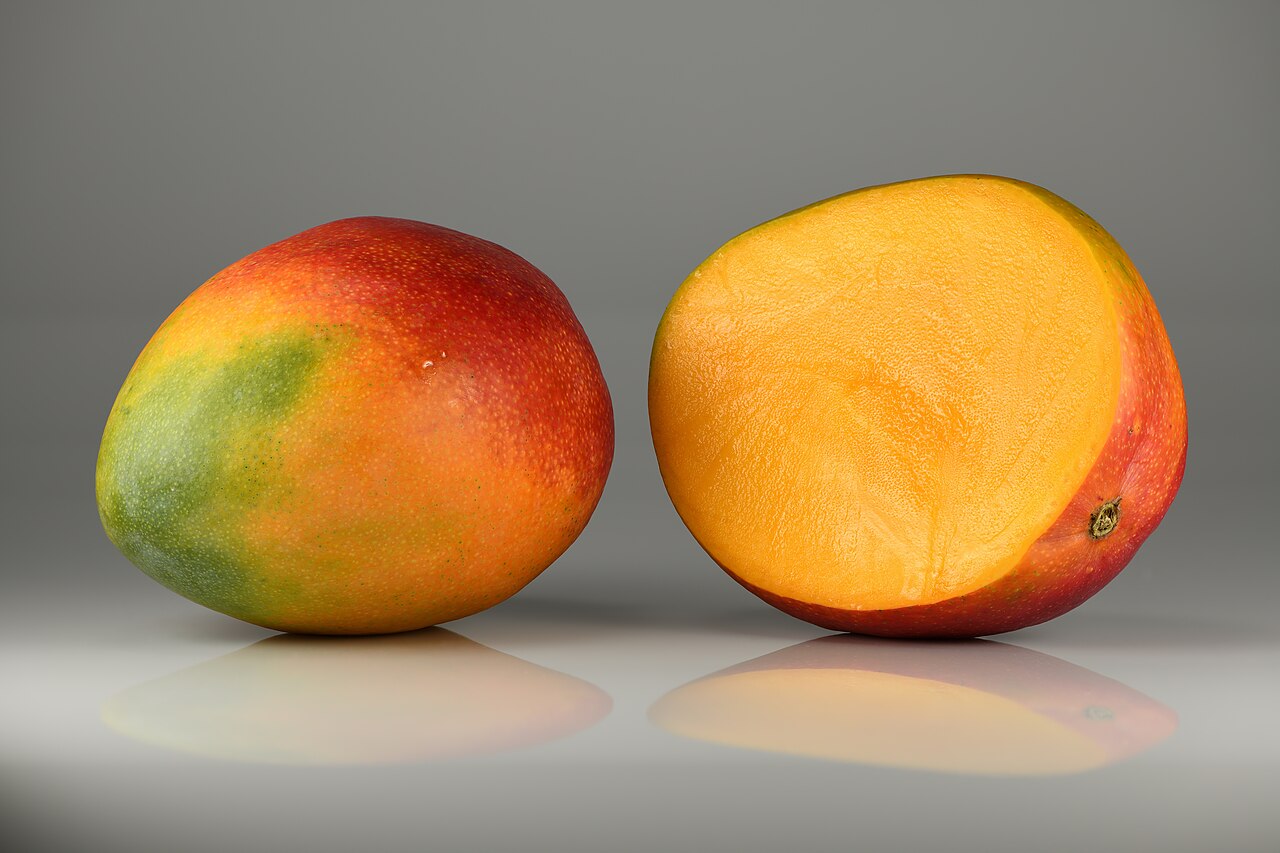
Lychee: season, flavor and how to eat it →This is a reference photo showing what a mango looks like. It is not limited to photos of the Thai growing regions or varieties described in the text. Mangos - single and halved · Ivar Leidus · CC BY-SA 4.0 Resized and partly cropped for display · Photo provided under CC BY-SA 4.0Main harvest Mar–May
Ripe mango is soft and sweet. Some varieties of green mango are eaten for a different texture from ripe ones, so you do not need to assume that every green mango is unripe.
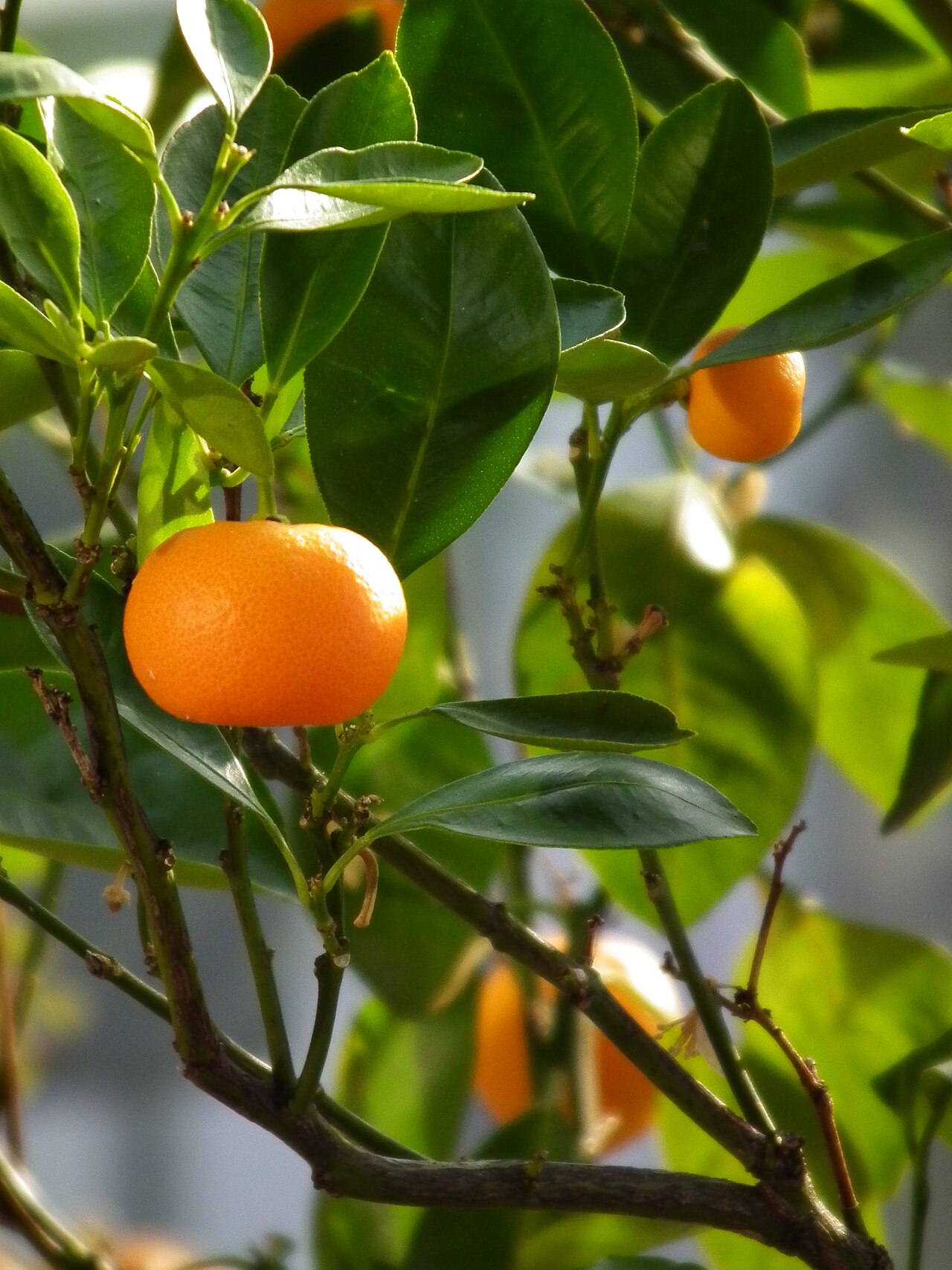
Mango: season, flavor and how to eat it →This is a reference photo showing what a Thai mandarin orange looks like. It is not limited to photos of the Thai growing regions or varieties described in the text. Citrus reticulata April 2013 Nordbaden · 4028mdk09 · CC BY-SA 3.0 Resized and partly cropped for display · Photo provided under CC BY-SA 3.0Main harvest Oct–Feb
Khao soi, sai ua and nam prik ong are eaten not only in Chiang Mai but in other parts of the North too.
How do I choose what to eat the first time?
If you want a simple lunch, pick khao soi. On a day when you are sharing several dishes, order sai ua and nam prik ong with sticky rice and vegetables for a full Northern Thai meal.
If you want to read more about the food and the regions behind it, these sources are a good place to start. Ingredients and recipes can vary from one restaurant to the next.