If you have tried Pad Thai and Tom Yum Kung, there is much more Thai food to meet. In Chiang Mai, sticky rice comes with sausage, vegetables and a dipping sauce, and in Isan people enjoy crunchy papaya salad and tangy fermented foods. Some dishes change from city to city, like the noodles and snacks of Phuket. Just as regional cooking differs in any country, you can look for a new taste in the city you visit.
If Thai food is new to you, start with a bowl of curry to eat with rice, or a bowl of noodles. If you are with friends or family, share several dishes and enjoy the different flavors.
The basics of the Thai table
Staple food
In the central region, several dishes are served with steamed rice, while in the north and Isan sticky rice is eaten often. Noodle dishes also differ from region to region.
Flavoring ingredients
Chilies, herbs, sour ingredients, fish sauce and fermented ingredients are combined depending on the dish. The ingredients that give flavor differ from dish to dish.
Regional divisions
This guide introduces the main features of the central, northeastern Isan and southern regions. Even within one region, the food of cities and communities differs.
Dietary conditions
Check the ingredients in seasonings and sauces too. You cannot tell whether a dish is vegetarian or halal just from a name such as vegetable dish or chicken dish.
Taste becomes clearer when you look region by region
Central Thailand
The central table, where curries come with steamed rice
In the central region, curries and other dishes are eaten with steamed rice. The richness of coconut milk, sourness, sweetness and heat come together differently in each dish. If you eat Tom Yum Kung and green curry in Bangkok, you can notice this mix of flavors.
The north, where sticky rice and vegetables come with dips
In the north, sticky rice and vegetables come with nam prik, and people also eat herb-scented sai ua sausage. Chiang Mai's khao soi puts noodles and curry broth in one bowl. Not all northern food is mild, so ask about the spice level when you order.
Isan, where crunchy papaya and tangy fermented food are on the table
In Isan, try som tam and larb with sticky rice. Some dishes use plara, a fermented fish seasoning. Even within Isan, som tam differs in the chilies and seasonings used, so you can taste a different flavor from place to place.
The south, where seafood, noodles and many cultures meet
In the south you can enjoy spicy dishes, and also noodles and snacks that differ from city to city. Phuket has dishes shaped by Chinese and Malay food culture, and the Songkhla area has the food of Chinese and Muslim communities side by side. Choose the city you will visit and look at its signature dishes.
First decide whether to share rice with several dishes or to have a single bowl of noodles.
Choose the meat, fish or shrimp you want. If there is an ingredient you avoid, say so, including what goes into the seasoning.
Ask for the spice level before you order. Broth or sauce that is already made can be hard to adjust.
When the food arrives, taste it first, then add extra seasoning and side items a little at a time.
Frequently asked questions
Is all Thai food spicy?
Desserts and some dishes are not about heat. With curries and dipping sauces it is hard to tell the spice level from the color or the name, so it helps to ask before you order.
Do you only eat a region's signature dish in that region?
Many dishes have spread and are eaten across the country. This guide explains the link between a dish and regional food culture. It does not claim where a dish began or that it is sold only in one place.
Is a dish with vegetables vegetarian?
Animal-based seasonings such as fish sauce and shrimp paste are sometimes used. If you have a vegetarian requirement, ask what is actually in the dish, seasonings included.
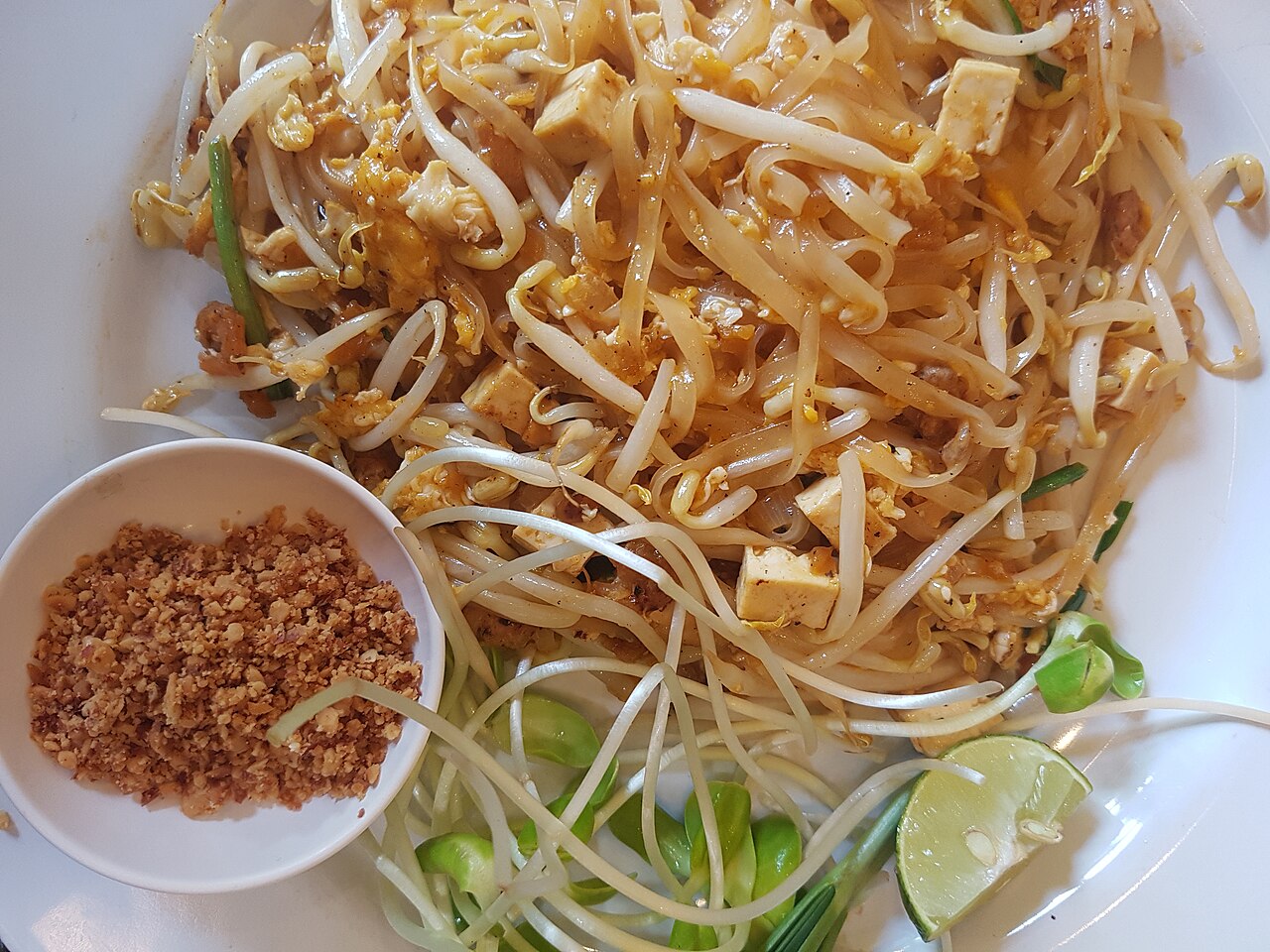
Tamarind's sourness meets sweet and salty flavors. When you chew soft noodles together with bean sprouts and peanuts, you get a crunchy, nutty bite. At places that serve chili flakes on the side, you can add as much as you like.
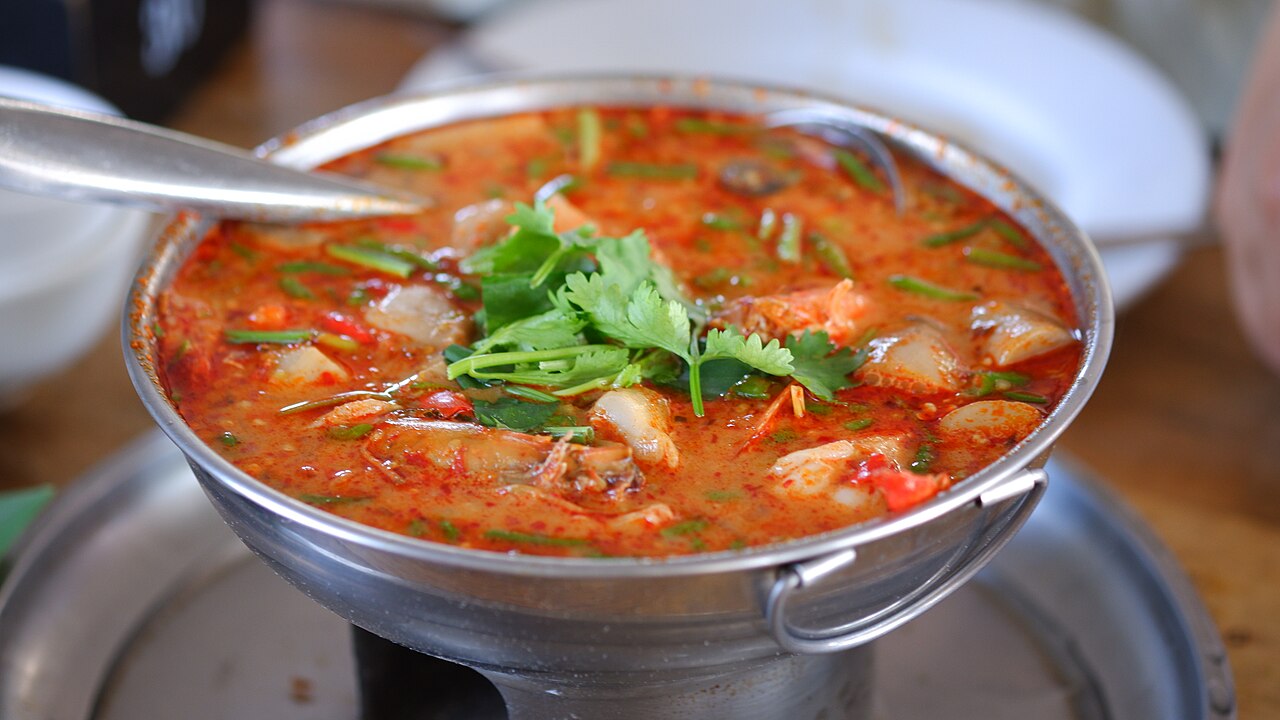
Sourness and heat are added to a broth that has taken on the flavor of shrimp. Lemongrass, galangal and kaffir lime leaves are the ingredients that give Tom Yum Kung its distinctive aroma. There are clear versions and richer versions, so dishes with the same name can taste a little different.
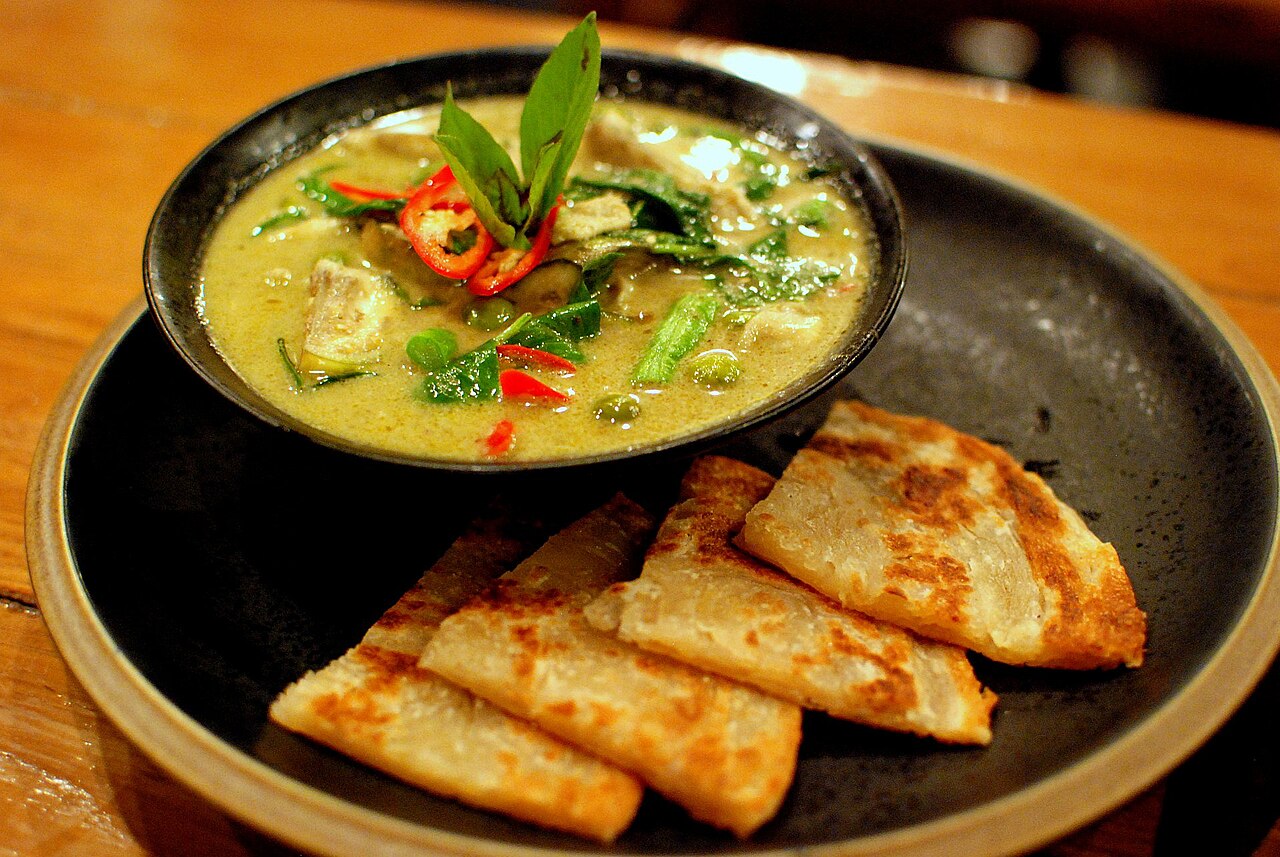
Behind the rich, smooth taste of coconut milk you feel the heat of the curry paste. The herb aroma is clear, too. Put a little curry and some of the pieces on your rice at a time.
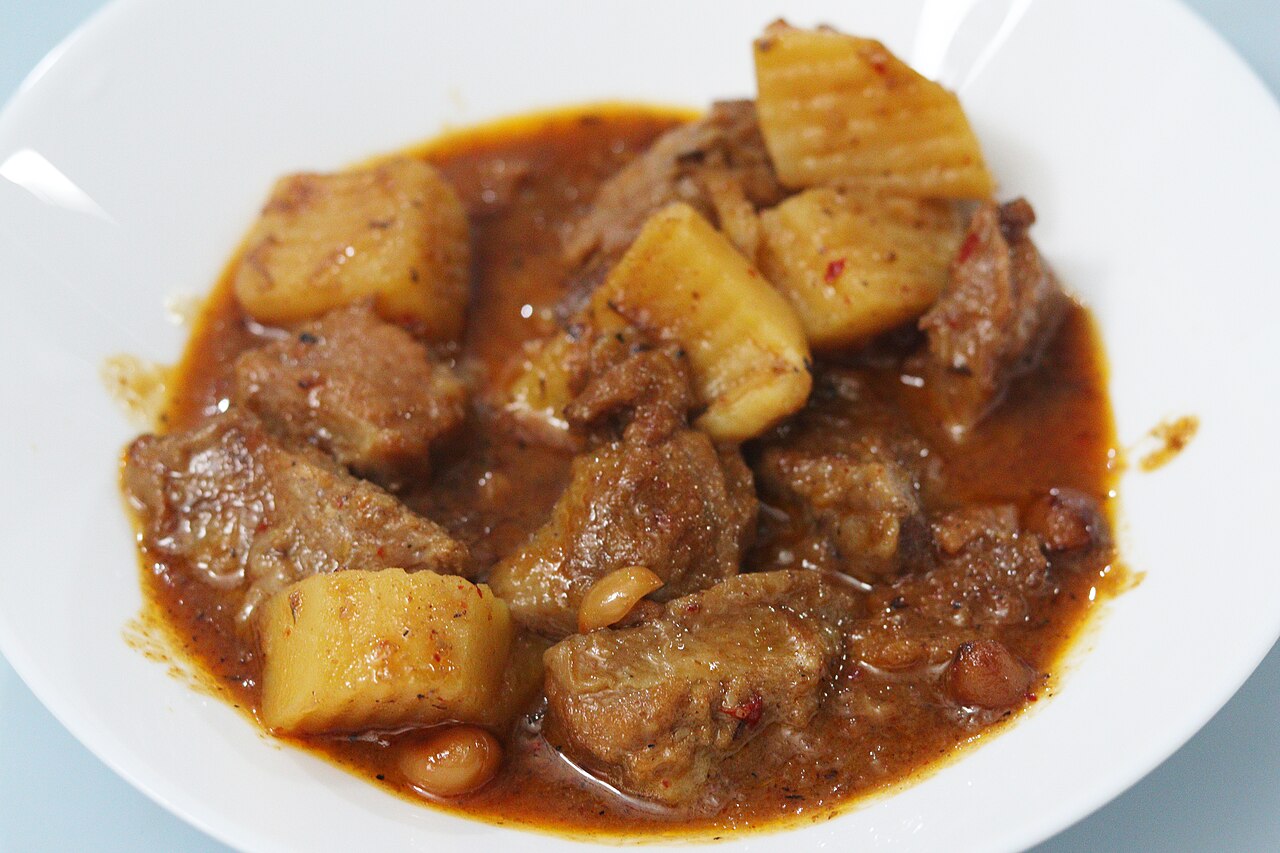
The aroma of spices such as cinnamon, cardamom and cloves is in the curry. If you eat it side by side with green curry, where herbs stand out, it is easy to feel the difference between the two curries. Have the rich sauce with your rice a little at a time.
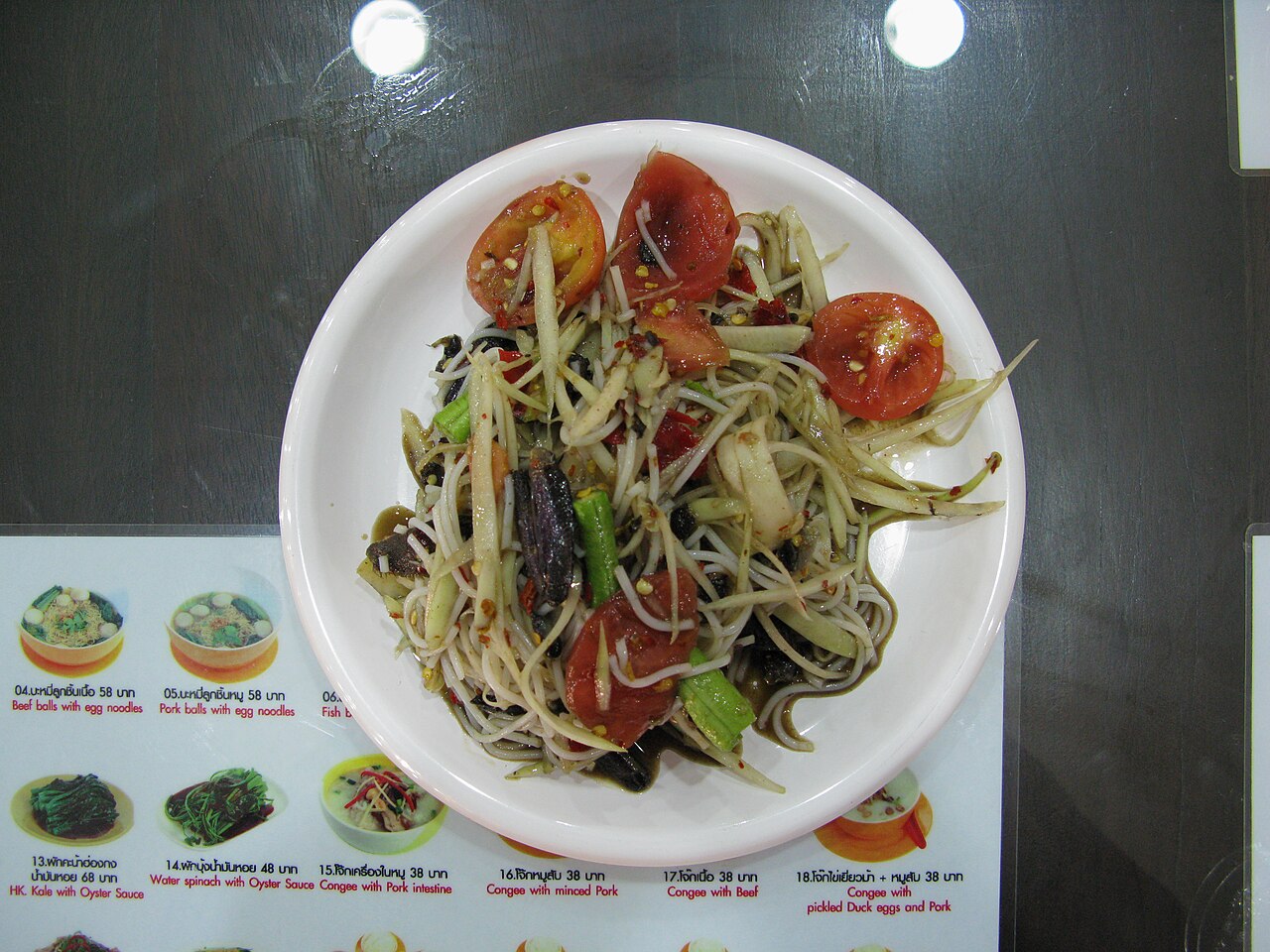
The crunch of papaya meets a sour, spicy dressing. In versions that use plara, a fermented fish seasoning, you can also notice a fermented aroma. Even with the same som tam, the taste changes with the way the seasonings and chilies are used.
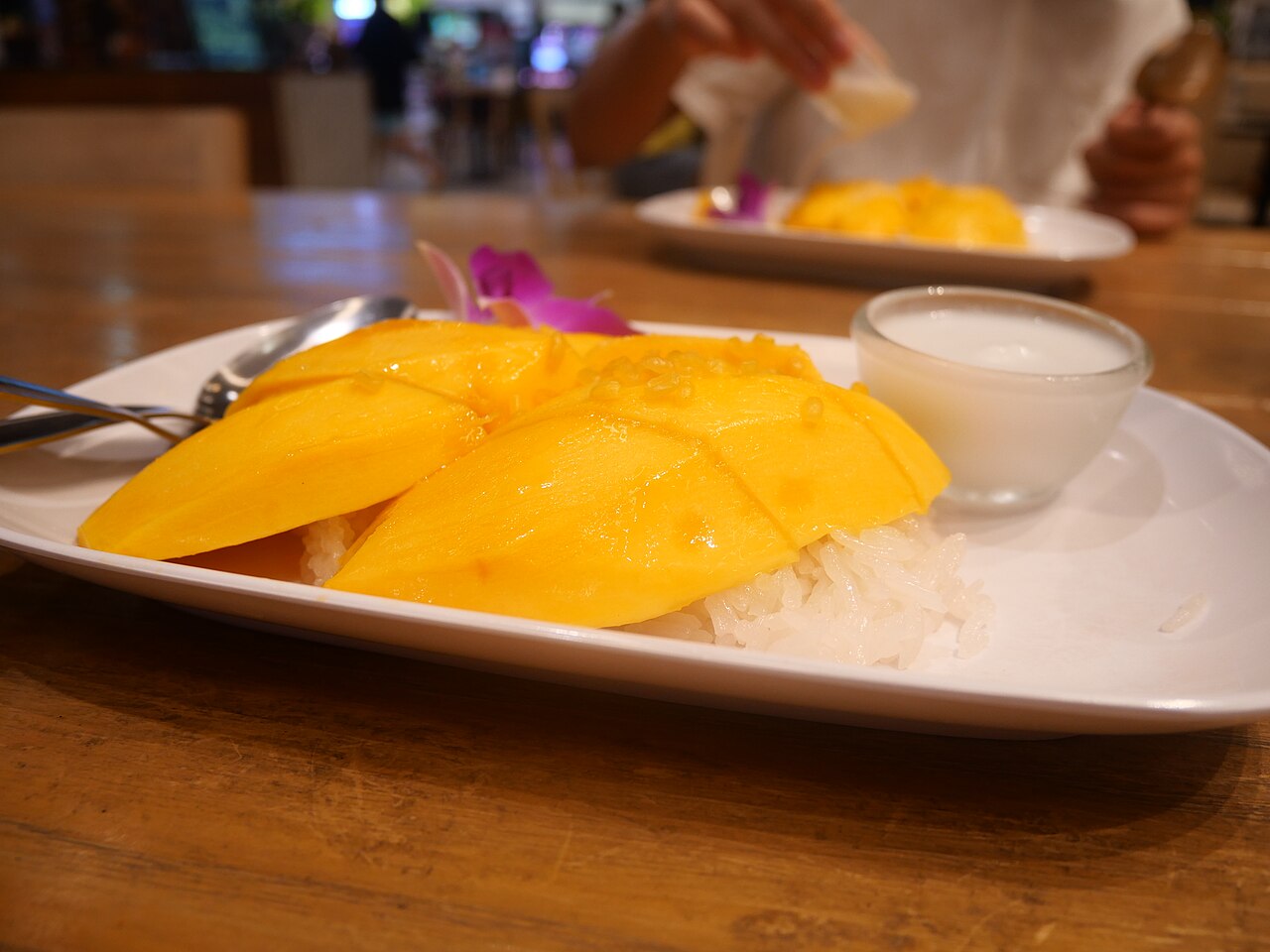
The sweetness of mango is joined by the richness of coconut. Sticky rice is chewy, so you get a texture that is different from eating fruit alone. Taste the mango and the sticky rice separately, then put them together on one spoon.
If you want to read more about the food and the regions behind it, these sources are a good next step. Ingredients and cooking methods can differ from one place to the next.